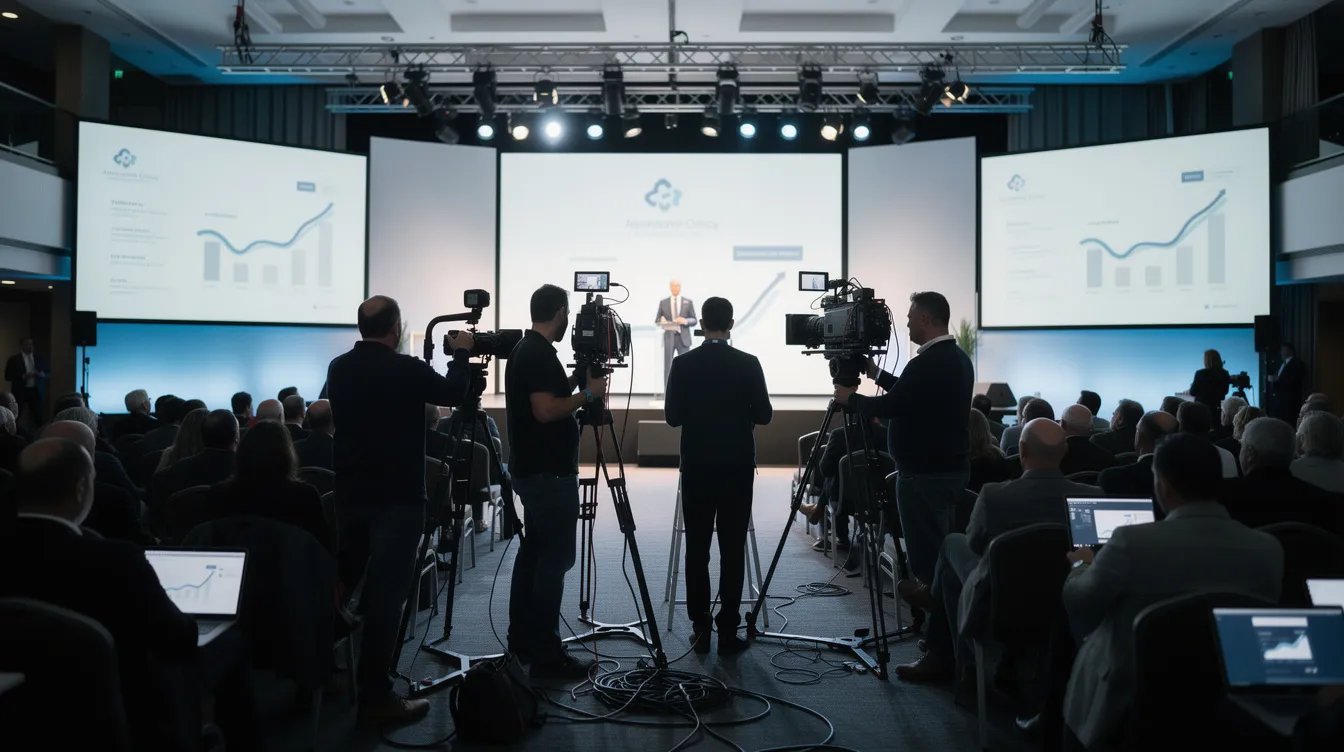
Viewers remember 95% of a message when they watch it in a video. And only 10% when they read it as text.
That’s not a small difference. That’s a game-changer.
Yet most businesses still hesitate when they see video production quotes. The industry average production cost per minute unscripted short form video for professional-grade work typically ranges from $1,000 to $10,000 per finished minute. These costs vary based on the complexity of the project and the specific production needs, especially when outsourcing to remote video production companies. “Too expensive,” they think. “We can’t justify the cost.”
Here’s what those same businesses don’t see: the hidden costs of ineffective marketing is bleeding them dry.
The switch from outdated marketing methods to innovative video strategies can be the change that helps companies stay competitive.
Companies using video marketing generate 66% more qualified leads annually compared to those who don’t. Meanwhile, 81% of marketers say video has directly increased their sales, and 87% report solid ROI from video content.
The numbers don’t lie. Video isn’t expensive – ineffective marketing is.
With nearly 90% of businesses now using video marketing, the real question isn’t whether you can afford video production. It’s whether you can afford to keep wasting money on marketing that doesn’t actually move the needle.
This breakdown shows you exactly why quality video production costs less than poor performing marketing tactics – with real numbers to prove it.
The hidden costs of ineffective marketing

Most businesses see their marketing budget disappear and assume that's just how marketing works.
It's not.
Bad marketing doesn't just fail to deliver results – it actively costs you money in ways that never show up on your expense reports. These hidden drains often cost more than professional company video production would have in the first place.
Low customer trust and brand recall
Trust has become fundamental for brand success in today's digital marketplace. The growing deficit in customer trust affects businesses across all industries, with sharp downturns reported from falsified reviews and inconsistencies in what the perceived value was vs. what was received. Customer satisfaction has been steadily declining since 2019.
Here's the number that should worry you: 67% of consumers say they must trust a brand before they'll continue buying its products or services.
Without trust, your marketing becomes expensive noise.
Wasted ad spend with no ROI

Over 40% of digital ad spend is completely wasted. Let that sink in. Nearly half of every advertising dollar you spend disappears into the void.
The numbers get worse. Wasted digital advertising hit a record $123 million in the second quarter of 2024 alone – up $25 million from the previous quarter.
Most marketing teams don't even know they're bleeding money. Marketers themselves estimate they waste 21% of their budget through inefficient spending, inaccurate targeting, and flawed performance reporting.
Why? Because their campaigns lack proper integration, measurement, and optimization.
Professional video marketing production addresses these hidden costs by building trust, improving engagement, and increasing conversion rates. The real cost isn't the video – it's continuing with marketing that doesn't work.
Why Company Video Production Is More Cost-Effective
Photographer: Jakob Owens | Source: Unsplash
93% of marketers report that video has given them good ROI. 87% say it directly helped increase sales.
Those aren't marketing fluff numbers. Those are results.
Professional video production delivers better returns than traditional marketing approaches. Here's why the math works in your favor:
Video Content Has Longer Shelf Life

Social media posts disappear from feeds within hours. Videos keep working for years.
Video content on platforms like YouTube continues attracting views and engagement months or even years after publication. Many businesses still convert leads from videos created years ago, with some reporting effective videos from as far back as 2015.
Your initial investment keeps delivering results far longer than traditional marketing materials. That's compound marketing ROI.
Additionally, videos can be delivered in multiple formats, allowing you to repurpose and extend their usefulness across different platforms and technical requirements.
Higher Engagement and Retention Rates
The engagement advantage is substantial. The average user spends 88% more time on websites featuring videos, and videos under one minute achieve impressive 50% engagement rates.
Videos help businesses in multiple ways:
• 82% of marketers report videos keep visitors on their websites longer • 87% note videos effectively generate leads • 62% see reduced support queries after implementing videos
More engagement = more opportunities to convert.
Better Conversion Rates Across Platforms

The conversion power of video content is extraordinary. Businesses using video grow revenue 49% faster year-over-year, with eCommerce sites reporting up to 85% higher conversion rates when featuring product videos.
Incorporating video into emails results in a remarkable 96% higher click-through rate.
Video helps consumers make purchase decisions - 87% of people have bought products after watching videos, while 81% have purchased apps after seeing video demonstrations.
Videos not only engage but also inform consumers, providing them with the details they need to make confident decisions. This explains why companies using video experience 34% higher web conversions overall.
The pattern is clear: better engagement leads to better conversions, which leads to better ROI.
Breaking down the cost of video production

Here’s what most people don’t understand about video production costs: they’re actually predictable.
You’re not throwing money into a black box and hoping for the best. Professional video production follows a clear structure, and every dollar has a purpose. However, video production costs can vary significantly based on key factors such as project scope, complexity, and quality. Using a video production pricing sheet can help clients understand and manage their budgets more transparently. Understanding the full spectrum of video production costs helps in making informed budgeting decisions.
From my perspective as someone who’s seen thousands of video budgets, most businesses get surprised because they don’t know what they’re paying for. But there’s a simple breakdown that makes it all clear.
Pre-production: the foundation that matters
Pre-production generally accounts for 20-25% of total video costs. This isn’t just “talking about ideas.” Effective pre production planning is essential for reducing costs and streamlining the entire production process, as it helps identify needs and potential challenges early on.
This is where we map out exactly what you’re getting:
- Scriptwriting ($500-$5,000 depending on complexity)
- Storyboarding ($500-$2,500)
- Location scouting ($500-$1,500 per day)
- Concept development and planning meetings ($1,000-$5,000)
Pre production costs can also include expenses for accessories like drones and specialty lenses, as well as costs for location scouting, permits, and logistics, all of which can significantly impact the overall budget. Video production companies often provide scripting and storyboarding services to help clients develop compelling narratives and visualize the final product.
A well-prepared script is crucial for aligning stakeholders early in the process and ensuring everyone is on the same page.
Well-crafted scripts and defined visual standards are the foundation of effective messaging and keep the production focused on your goals.
**Skip this phase, and you’ll pay for it later.**Trust me on this one.
Production: where the magic happens
Production consumes approximately 50-60% of your budget. This is the biggest chunk, but it’s also where you see your vision come to life.
The essentials break down like this:
- Camera equipment ($500-$5,000 per day)
- Lighting gear ($300-$3,000 daily)
- Directors ($800-$2,500/day)
- Cinematographers ($600-$2,000/day)
- Camera operators ($75-$250/hour)
The size of the production crew—including production assistants, sound engineers, and other specialists—directly influences production costs, as a larger crew means higher payroll expenses and more equipment rentals. The production team may also include professional actors, whose experience level can impact both costs and the overall quality of the video. Projects with multiple locations and longer shooting schedules incur higher costs due to additional equipment needs, location fees, and complex logistics. Equipment costs, such as high-end cameras and lighting rigs, typically consume a substantial portion of the production budget and are essential for achieving high production value. Filming in certain areas may require permits, transportation, and accommodation for the production crew, further impacting overall costs.
Having all resources under one house streamlines communication and project execution. The act of making videos is at the heart of the production phase, turning ideas into compelling visual stories.
Quality shows. And quality costs what it costs.
Post-production: polish that pays off
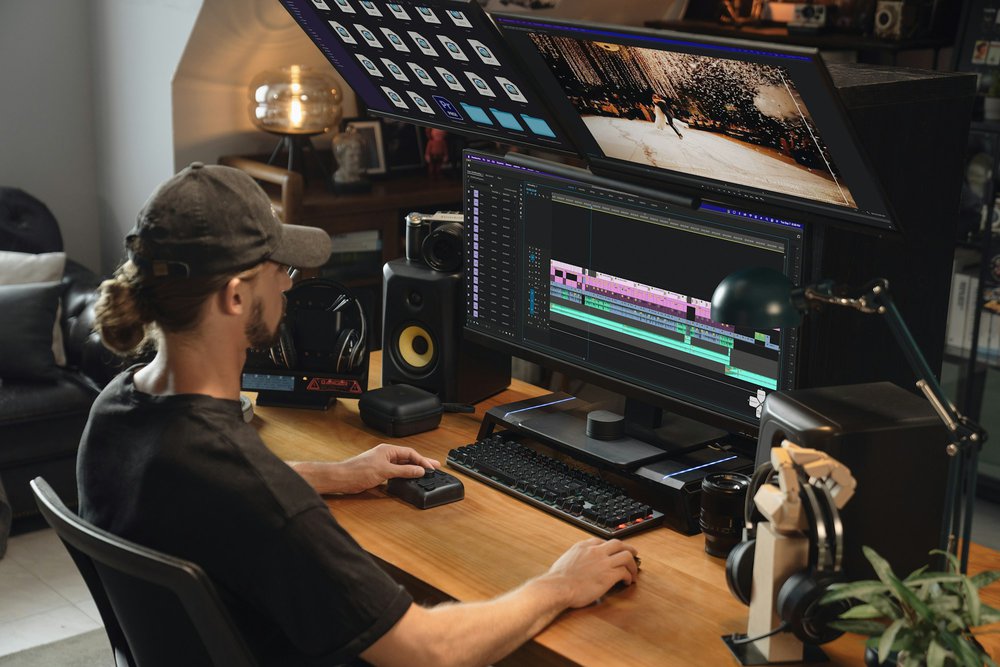
Post-production typically requires 20-25% of your budget. This is where good video becomes great video.
The work includes:
- Video editing ($75-$150/hour)
- Color grading ($100-$200/hour)
- Motion graphics ($100-$250/hour)
- Voice-over work ($200-$1,500 per finished minute)
- Edits for different distribution platforms and audiences ($500 - $5,000 per cut)
Video editing services, including the editing style, play a crucial role in shaping the final video. Reviewing previous work can help assess creativity, production quality, and how well the editing approach aligns with your project goals. Raw footage is the foundational material for editing and is essential for storytelling and overall video quality. Post-production also includes sound design, audio mixing, sound effects, and the use of royalty free music to enhance audio quality and create an immersive experience. Visual effects are often used to enhance video quality, remove unwanted elements, and create complex scenes. Post production costs can vary based on project complexity and the inclusion of elements like motion graphics and soundtracks. Negotiating for extras like multiple versions or raw files can add value to your video production budget.
Final touches here can help combine your visuals and video goals to ensure your content is perfectly aligned to your specific strategy.
What you can expect to invest
Overall, business video production costs average $1,000–$10,000 per finished minute, but the industry average production cost per minute for unscripted short form video typically falls between $1,000 and $5,000 for professional-grade content.
Cost breakdown by production type:
- Basic/Simple video production: $1,000–$2,000 per minute
- Standard Mid-Range professional production: $3,000–$5,000 per minute
- High-End Commercial video production: $5,000–$10,000+ per minute
- Independent/Short Film production: $700–$1,500 per minute
- DIY videos: $50–$500 per minute (budget-friendly, but may lack professional polish)
- AI-driven platforms: as low as $18 per 10 minutes of content
Average cost per minute for various video types and lengths:
- 15-second animated short-form video: average cost $914, ranging from $1,000–$8,000
- 1-minute animated short-form video (professional agency): $2,000–$4,000
- 2-minute video: typically starts around $5,000 or more
- 3-minute professionally produced video (original footage): minimum $3,000
- 5-minute video: typically starts around $7,000 or more
Video production rates and overall cost vary based on project scope, video length, complexity, production style, animation style, and video style. Longer videos, complex projects, and high-end production styles require more resources and higher budgets. The video production budget, production budget, and video budget are critical for planning, quality, and managing typical costs.
Optimizing costs and careful planning can help maximize ROI and maintain quality. DIY videos and AI-driven platforms offer budget-friendly alternatives, but may not deliver the same high quality videos as a professional video production company or agency. In-house teams, stock footage, and smart equipment choices can also help control costs while maintaining quality.
Transparent communication with production companies or agencies about your needs and budget is essential for better cost management and project outcomes. Engaging a production company early in your video production project can ensure optimal results and potentially save up to 20% compared to going in blind.
Approach your next video project strategically, focusing on optimizing costs and maximizing value. Measuring ROI and extracting maximum value from video investments requires a clear framework for assessing performance metrics and planning for repurposing content.
When producing video content, these costs reflect the expertise, planning, and resources required to deliver exceptional results.
The question isn’t whether these numbers seem high. The question is whether you’d rather invest in something that works, or keep spending on marketing that doesn’t.
How to Maximize ROI from Corporate Video
You've made the investment. Now it's time to make it work harder for you.
Smart video ROI isn't just about creating great content. It's about getting the most mileage from every dollar spent.
Repurposing Content Across Channels
One video. Multiple assets. That's how you stretch your budget.
Take a 30-minute video and turn it into:
- Short clips for social media
- Blog post transcripts
- Podcast episodes
- Email content
Some businesses are still generating leads from videos they created years ago. That's the power of content that keeps working long after you've moved on to other projects.
Educational videos can even be repurposed into structured course content that commands premium pricing. Your video investment just became a revenue stream.
Using Video in Sales Funnels and Email
Place your videos strategically. Each stage of your funnel needs different content.
Consideration phase? Case studies and testimonials build the trust your prospects need. Decision stage? Detailed walkthroughs address their final concerns.
Here's a number that'll get your attention: including videos in email campaigns increases click-through rates by 65%. A well-designed thumbnail with a play button can drive even higher engagement.
Tracking Performance with Analytics Tools
You can't improve what you don't measure. Track these essential metrics:
- Engagement rate and watch time (tells you about content quality)
- Click-through rate (measures how well your CTAs work)
- Conversion rate (tracks completed desired actions)
- Completion rate and retention curves (shows exactly where you lose viewers)
Google Analytics, YouTube Analytics, and specialized video platforms give you all the data you need. Use it.
Case Study: ROI from a Corporate Video Campaign
Neutrogena created 21 different pre-roll ads for makeup remover wipes, each tailored to specific audiences and contexts.
The results? 4X better performance than industry benchmarks. A 14% lift in sales. And here's the kicker: 73% of those incremental sales came from new customers.
That's what strategic video marketing looks like.
Conclusion
The math is simple. Bad marketing bleeds money. Good video makes money.
You've seen the numbers. Companies using video grow revenue 49% faster year-over-year. They get 34% higher web conversions. Meanwhile, businesses stuck with ineffective marketing watch 40% of their ad spend disappear into thin air.
Video production isn't an expense—it's the smartest investment you can make for your marketing budget.
Think about it. One professionally produced video works for months or years after you create it. Social media posts vanish in hours. Blog content gets buried. But that video? It keeps generating leads, building trust, and driving conversions long after you've moved on to your next campaign.
The upfront cost might make you pause. But when you're already losing money to marketing that doesn't work, quality video production is actually the cheaper option.
Your competitors have figured this out. Nearly 90% of businesses are already using video content. The question isn't whether you can afford to invest in video production.
It's whether you can afford to keep throwing money at marketing that fails.
Your business deserves better than wasted budgets and missed opportunities. It deserves the competitive edge that comes from meeting your customers where they are—watching, engaging with, and buying from video content that actually works.
The choice is yours. Keep bleeding money on poor marketing, or invest in video production that pays you back.
Insights from