Twenty years ago, telling someone you were making a 2D animation for your business might have earned you a few strange looks. Unless you were selling sugary cereal to kids, 2D animation video production was not exactly a serious marketing tool.
That has changed completely. Today, businesses across nearly every industry use 2D animation video production to explain ideas both simple and complex. The storylines can be playful, emotional, or anything in between. And the results speak for themselves.
This guide covers what 2D animation is, why it works so well for business, the production process behind it, and how to create your own. Let's start with the basics.
What Is 2D Animation Video Production?
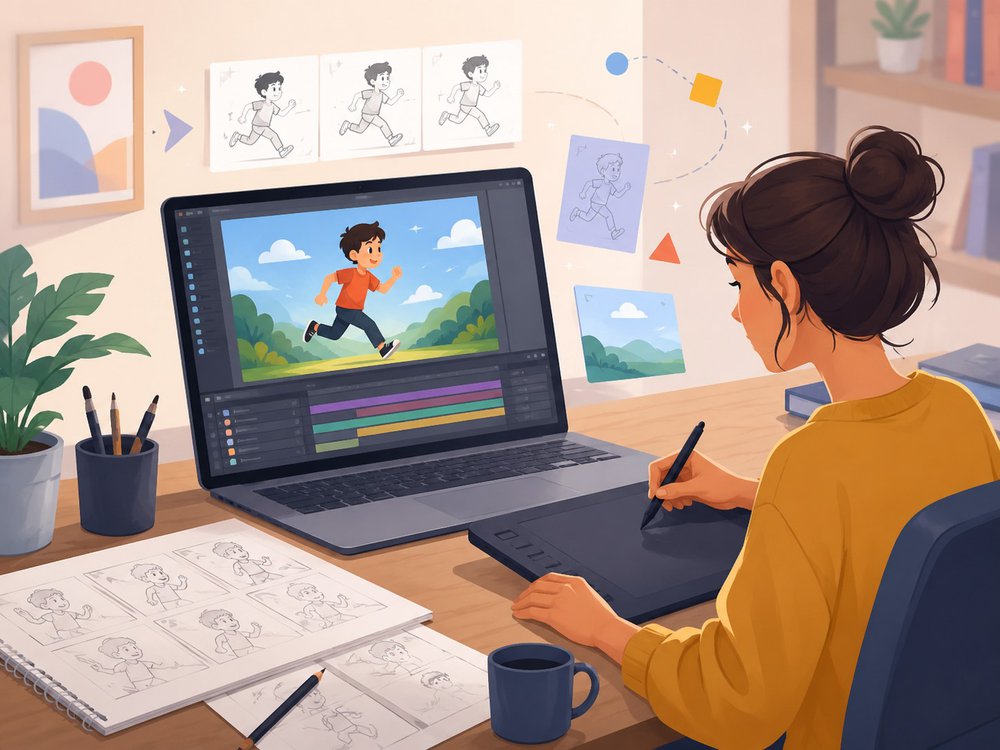
2D animation video production is the process of creating animated videos using flat, two-dimensional characters, scenes, graphics, movement, and sound. Instead of filming real people or places, the production team builds a visual world from scratch to explain an idea, tell a story, or bring a brand message to life.
For businesses, 2D animation is especially useful because it can make abstract or complex topics feel simple, human, and easy to follow. Characters, color, motion, voiceover, and music all work together to guide the viewer through the message in a way that feels clear and engaging.
2D Animation vs Motion Graphics
People often confuse the two, but they are distinct styles:
- 2D animation centers on characters and scenes that tell a story
- Motion graphics focus on abstract elements like icons, typography, graphs, and data
Both use flat graphics, but they serve different purposes. If you want to learn more, this blog on 2D vs 3D Animation breaks down the differences in detail.
Popular 2D Animation Styles
2D animation video production is not one single look. Depending on your brand story and message, different styles create very different results.
- Character animation. The classic approach, built around custom characters that carry your story and connect with viewers on an emotional level.
- Motion graphics. Animated icons, typography, and data that work well for explaining abstract concepts and brand messaging.
- Hand drawn animation. A frame-by-frame style that feels organic and artistic, great for brands that want a distinctive, crafted visual style.
- Stop motion. A tactile, physical style that stands out with smooth motion and texture, often used to create stunning visuals and a lasting impression.
- Mixed media. Combining 2D animation with live action or other styles for a layered, memorable result.
The right style depends on your audience, your budget, and the concept development behind your video. A good production team will help you craft animations that match your goals.
Why 2D Animation Works for Business
2D animated videos turn complex ideas into clear, engaging stories that viewers can follow in just a few minutes. Paired with a strong voiceover and script, they hold attention and make information stick.
Here is why so many businesses rely on them:
- They simplify complex concepts. Abstract or technical ideas become easy to understand through visual storytelling.
- They boost engagement. An engaging animated video keeps viewers watching longer, which means your message actually lands.
- They impact your bottom line. One global brand saw a 10% increase in conversion after publishing an animated video that personified its product in a fun, light-hearted way.
- They give you complete creative control. Unlike live action, you are not limited by actors, locations, or budgets. Your only real limit is your imagination.
Animated video is not a fallback when live action is not the right fit. It is often the better choice when your business needs to explain an abstract idea, simplify a complex product, or create a flexible asset that can work across your website, sales decks, paid ads, email campaigns, and social media.
With video continuing to rank among the highest ROI content formats, 2D animation gives brands a clear, versatile way to turn important messages into content people can actually understand and use.
Common 2D Animation Use Cases
2D animation can support almost every stage of the customer journey, from first-touch awareness to sales enablement, onboarding, and education.
Because the visuals are built from scratch, you are not limited by locations, actors, products, or hard-to-film concepts. That makes 2D animation especially useful when your message needs to be clear, flexible, and easy to reuse across channels.
Product Videos
2D animation can show what a product does, who it helps, and why it matters without relying only on screenshots or technical walkthroughs. This is especially helpful for software, technology, financial services, healthcare, and other industries where the value of the product is not always visible on screen.
Instead of showing every feature, a strong animated product video focuses on the viewer's problem, the product's role in solving it, and the outcome the customer can expect. The result is a clearer, more engaging way to introduce a product to prospects, sales teams, investors, or internal stakeholders.
Problem and Solution Videos
Problem and solution videos are one of the most effective uses of 2D animation because they give structure to a message. The video starts by showing the audience's challenge, then introduces the product, service, or idea as the solution.
This format works well because it is easy to follow. Viewers can see themselves in the problem before they are asked to care about the answer. For businesses with complex offerings, this approach helps create a simple narrative around pain points, benefits, and next steps.
Explainer Videos
2D animation is one of the most common styles for explainer videos because it can simplify abstract or technical ideas. Whether you are introducing a SaaS platform, a healthcare process, a financial product, or a new internal initiative, animation gives you a way to make invisible concepts visible.
Explainer videos often combine voiceover, characters, icons, scenes, and motion to guide viewers through the message step by step. This makes them useful for websites, landing pages, sales presentations, paid campaigns, and investor decks.
Onboarding and Training Videos
2D animation is also useful for onboarding and training because it helps standardize information. Instead of relying on live presentations or long written instructions, companies can use animated videos to explain processes, policies, product steps, or customer expectations in a consistent way.
This works well for employee onboarding, customer onboarding, software tutorials, safety training, compliance education, and internal communications. Animation can make dry or complicated information easier to understand without making it feel overwhelming.
Social Media and Paid Ad Content
Short 2D animated videos can be built for social media, paid ads, email campaigns, and other digital channels where the message needs to land quickly. Animation gives brands more control over pacing, visual style, and message clarity, which is especially helpful when you only have a few seconds to earn attention.
These videos can be created as standalone ads or cut down from a larger explainer or product video. That makes 2D animation a strong option for building a library of campaign assets from one core concept.
Educational Videos
2D animation is a strong fit for educational content because it breaks information into clear visual steps. It can help audiences understand how something works, why it matters, or what they should do next.
This is useful for brands that need to teach customers, employees, partners, patients, donors, or the general public. When the goal is comprehension, animation can turn a dense topic into something more approachable and memorable.
Brand Story Videos
2D animation can also help tell a broader brand story. Instead of focusing only on a product or feature, these videos explain who the company is, what it believes, and why its work matters.
This can be especially helpful for organizations with complex missions, intangible services, or ideas that are difficult to capture with live action. Through characters, visual metaphors, and custom design, 2D animation can give the brand a distinct voice and make the story feel more human.
The flexibility of 2D animation is what makes it so valuable. A single animated video can support your website, sales process, paid campaigns, onboarding experience, social media strategy, and internal communications. When planned well, it becomes more than one video. It becomes a reusable business asset.
2D Animation and Explainer Videos
Explainers are hands down the most popular form of 2D animation for business. They work because they turn complex ideas into clear, engaging stories without the constraints of live action.
Animated explainer videos are a top choice for:
- Simplifying complex concepts and abstract concepts into something easy to follow
- Walking prospects through how a product or service works
- Strengthening brand messaging across your website, social media, and sales decks
For most businesses, the challenge is not knowing that an explainer video would help. It is figuring out the right message, structure, visual style, and production plan.
That is where working with an explainer video company can make a big difference. The right team can shape the concept, write the script, build the storyboard, design the visuals, animate the final piece, and make sure the video is built for the channels where it will actually be used.
3 Business Examples of 2D Animation
2D animation can take a lot of different forms depending on the goal. Some videos are built to promote a service quickly. Others need to explain a complex platform, show how a product works, or make a technical idea easier to understand.
These examples show how the same general style can support very different business needs.
Akins Ford Mobile Service
Akins Ford used 2D animation and mixed media to promote its mobile service offering in a way that feels clear, quick, and easy to follow. Instead of relying on a standard dealership message, the video focuses on convenience: service that comes to the customer instead of asking the customer to come to the dealership.
That makes it a strong example of 2D animation for promotional or ad-style content. The message is simple, but animation helps make the value feel immediate. Viewers can quickly understand who the service is for, why it matters, and what action to take next.
CloudCover
CloudCover needed to explain a cybersecurity platform built around cyber analytics and threat automation. That is exactly the kind of subject matter where 2D animation works well. The product is technical, the value is not always visible, and the audience needs to understand the problem before they can care about the solution.
The animated explainer gives the platform a visual structure. Instead of asking viewers to imagine how data, risk, automation, and security response work together, the video turns those ideas into a guided story. For complex technology, that clarity is the point.
Propel Software
Propel Software used 2D animation to explain product lifecycle management and cloud software solutions. Product demos can easily become too screen-heavy or too feature-focused, especially when the product connects multiple teams, systems, and workflows.
This video takes a broader approach. It uses animation to show the value of the platform before getting lost in the details. That makes it a useful example of how 2D animation can support product demo content, especially for SaaS and software companies that need to explain both what the product does and why it matters.
The 2D Animation Production Process
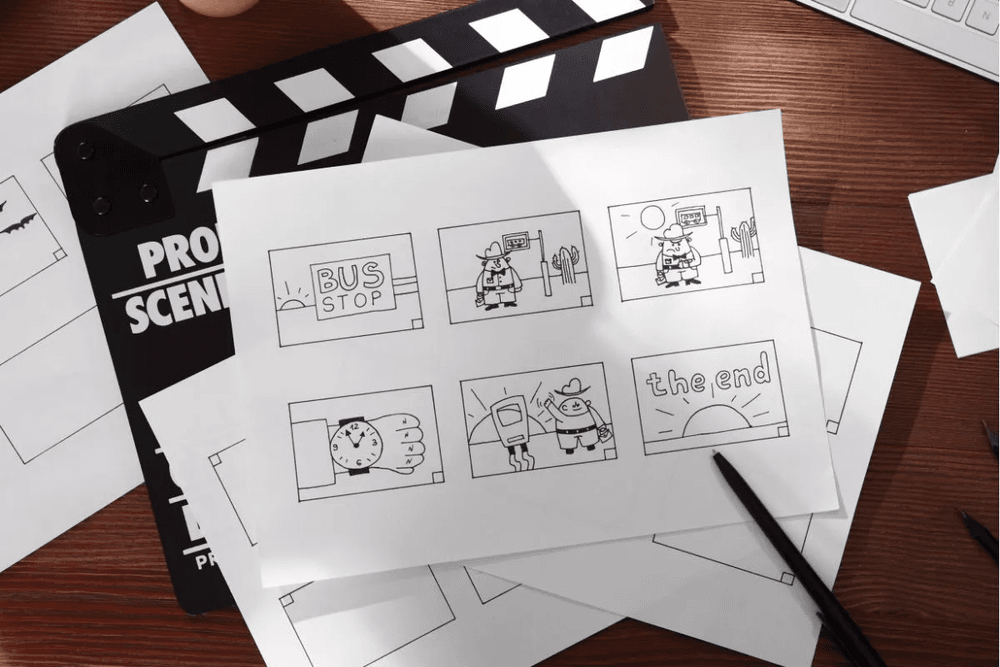
Strong 2D animation video production follows three core stages. Here is how it works.
Pre-Production
This is the planning and groundwork stage. The animation team builds the foundation before any animating begins:
- Writing the script and developing the brand story
- Designing characters and visual style
- Creating a storyboard to map out the sequence of events
- Choosing colors and sketching early concepts
Scripts and storyboards go hand in hand here. Nailing both is what keeps the rest of the process on track.
Production
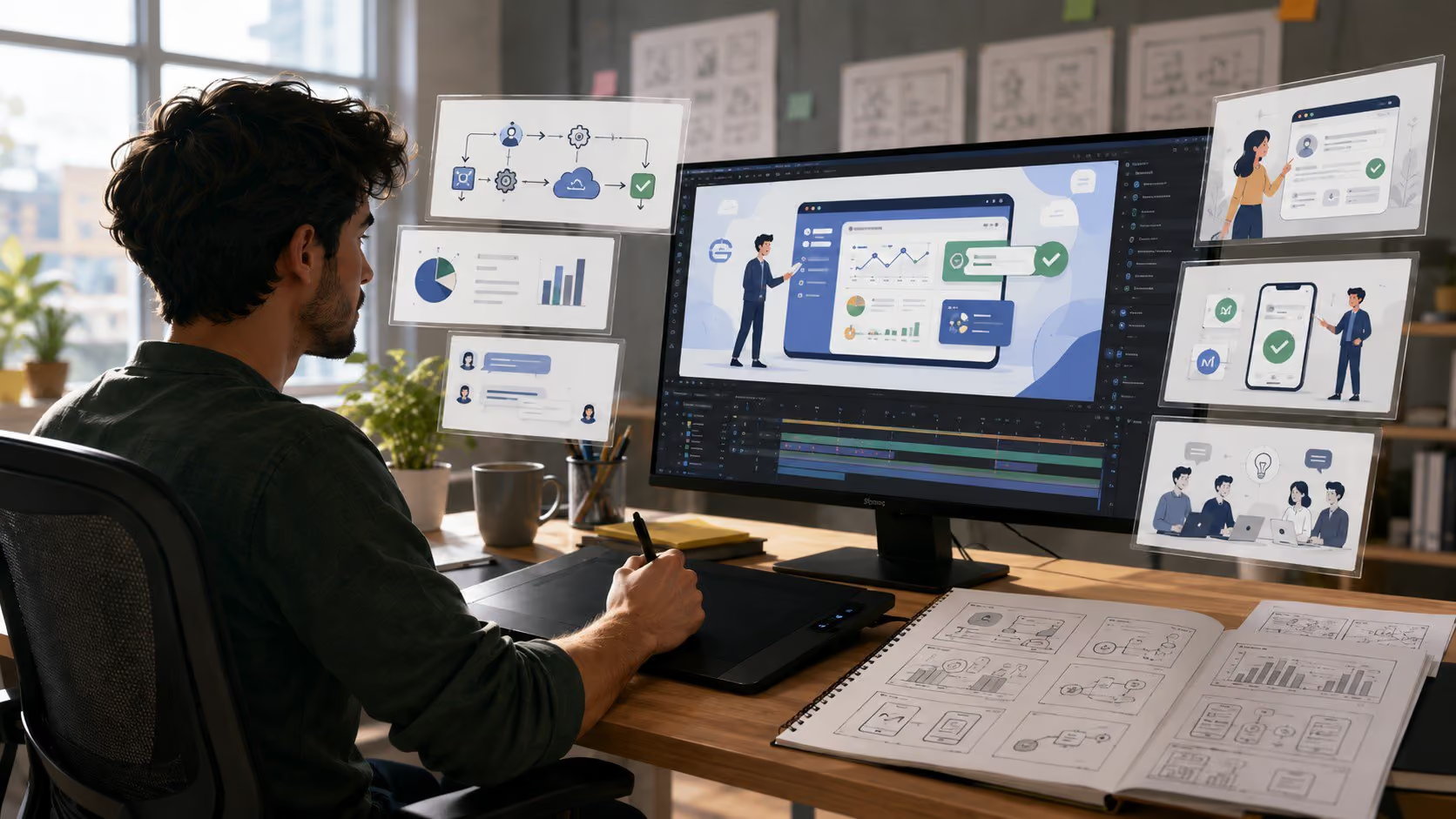
This is where the magic happens. Animators bring the characters, scenes, and visual effects to life using professional software. An exposure sheet guides the team, detailing character actions, timing, dialogue, music, animation layers, and backgrounds. Once the frames are complete, specialists composite everything together with backgrounds, lip-sync, and effects.
Post-Production
The final stage is all about polish. Sound design, voiceover, music, and any remaining effects are layered in and refined until the final animation is ready for delivery.
How to Create Your Own 2D Animation
Whether it is a short social ad or a full explainer, most 2D animation video production follows a few core steps.
Consider Your Target Audience
Start by thinking about who the video is for. What tone will resonate with them? What information matters most? Answering these questions early sets the right direction.
Considering Google Ads? Check out how they frame effective video ads
Define Your Objective
Decide what you want the video to accomplish. This becomes your north star throughout the creative process and keeps every decision aligned.
Write a Compelling Script
Your script should carry your value proposition with engaging, fluff-free dialogue. Expect a few revisions to get it tight. We find the 60 to 90 second range is the sweet spot for 2D animated videos. It is long enough to set up a problem and solution, but short enough to land your call to action before viewers drift off.
Bring It to Life
With your script ready, the animation process begins. For most businesses, partnering with a professional video production company is the fastest way to get a polished result without the steep learning curve.
Why 2D Animation Is Worth the Investment
A well-made 2D animated video is an asset every business can use again and again. It teaches prospects about your product, explains your service, and tells your company story in a way text simply cannot.
Invest in your video marketing efforts and you start building a library of content that every department can use to share your:
- Mission
- Team
- Products
- Story
That kind of versatility is exactly why 2D animation continues to earn its place in modern marketing strategies and video promotion budgets are steadily increasing, year over year.
Ready to Create Your 2D Animation?
A great 2D animated video can teach, engage, and convert all at once. The key is pairing a strong story with skilled production.
If you want to explore what 2D animation could do for your business, contact Levitate Media to set up a free video strategy review call. We would love to talk through your 2D animation video production and how it fits your goals.
Insights from