Videography pricing varies more than most marketing budgets expect.
A testimonial video and a brand film can require completely different crew sizes, shoot days, and post production workflows. The final cost reflects all of it.
This guide breaks down average rates by project type, what drives pricing up or down, and what a professional videography quote actually includes, so you can plan with confidence before reaching out to any video production company.
Average Videography Rates by Project Type in 2026
The problem with Googling “videographer day rate”, is that you will likely see this.
- Thumbtack data puts the national average cost of hiring a videographer at around $961, with most projects falling between $900 and $1,025.
That might be true - if you’re hiring someone for a wedding or small event. But it likely doesn’t cover multiple cameras, professional post-production, and multiple cuts.
B2B and corporate video projects sit in a significantly higher range given crew size, shooting days, production quality, and deliverable complexity.
The ranges below reflect what businesses typically budget for video projects in 2026. Actual costs will vary based on project complexity, location, and your specific needs.
Corporate Event
- Basic: $4,500 — $10,000
- Standard: $10,000 — $15,000
- Premium: $15,000 — $25,000+
Testimonial & Interview
- Basic: $3,500 — $5,000
- Standard: $5,000 — $12,000
- Premium: $12,000 — $20,000+
Brand Film
- Basic: $5,000 — $12,000
- Standard: $12,000 — $25,000
- Premium: $25,000 — $60,000+
Social Media Package
- Basic: $4,500 — $8,000
- Standard: $8,000 — $15,000
- Premium: $15,000 — $20,000+
Basic = minimal crew or remote record, single location, standard edit.
Standard = professional crew, full day rate, complete post production.
Premium = multi-day shoot, large crew, specialized equipment, full production quality.
Not sure which tier fits your project? A quick pricing estimate can help you see what range makes sense. Get a free video budget estimate here.
Corporate Event Videography
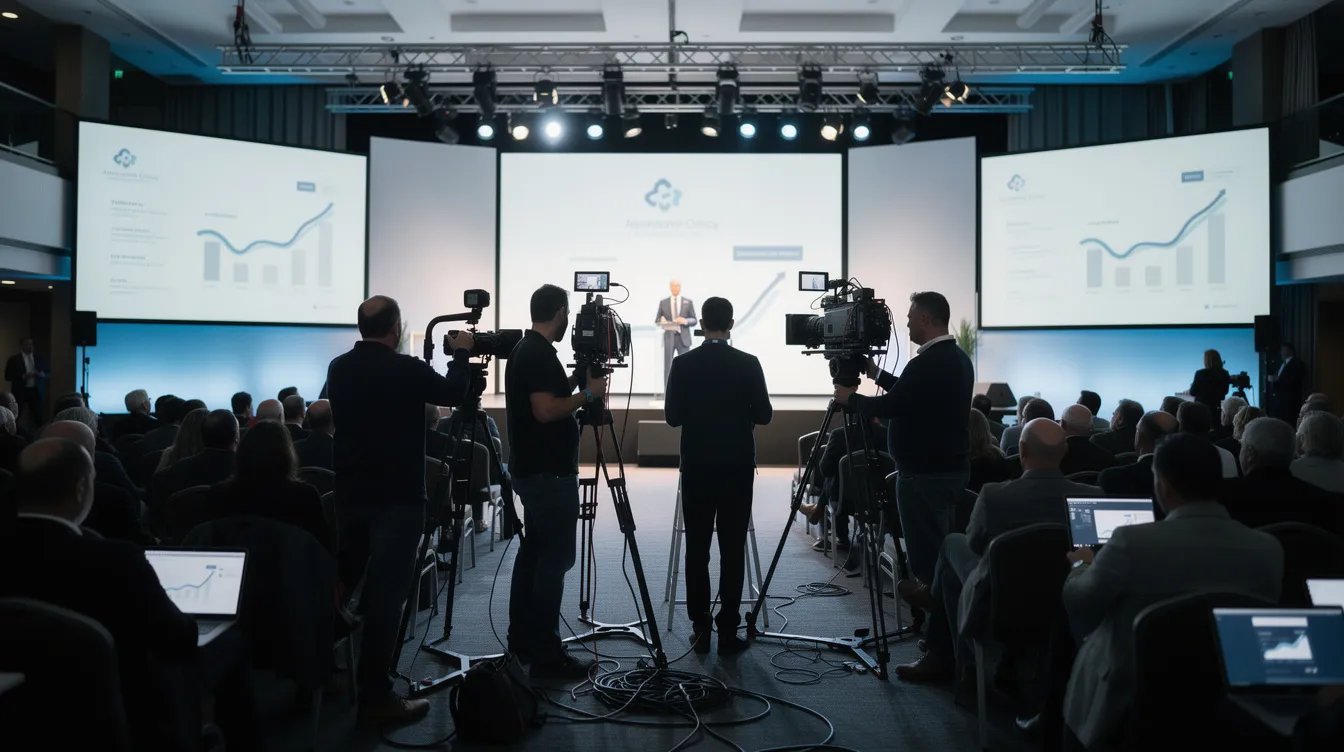
Corporate event videography typically covers conferences, product launches, and internal company events.
Pricing is driven by how many shooting days are needed, crew size, and whether same-day edits or highlight reels are required. Local shoots stay on the lower end. Multi-city events with a large crew push costs significantly higher.
If you’re planning a large event, this conference video production guide breaks down how timelines, logistics, and post-production shape the final cost.
Testimonial and Interview Videos
Testimonial videos are one of the highest ROI video projects a business can invest in.
Pricing depends on the number of interview subjects, shoot locations, and how much b-roll footage is required. A single-subject interview with a small crew and clean post production sits at the lower end. A multi-client case study series with branded graphics sits at the higher end.
Brand Films
Brand films carry the widest pricing range of any video project type.
That range exists because brand films have the most variable requirements. Some are single-location, one-day shoots. Others involve multiple locations, talent, location scouting, and complex post production. Production quality expectations also tend to be highest here.
Social Media Content Packages
Social media content packages are designed to produce multiple short-form assets from a single shoot day.
Pricing scales with how many final deliverables are needed, whether the package includes professional equipment for multiple formats, and how much editing each asset requires. Bundling assets from one shoot is one of the most effective ways to save costs per deliverable.
How Videography Pricing Works (and Why It Varies So Much)
Videography pricing refers to the total cost of planning, filming, and editing a video project. It covers everything from pre production and professional equipment to raw footage editing and final delivery.
No two projects cost the same because no two projects have the same requirements.
The three core variables that drive pricing are:
- Scope: how many shooting days, locations, and deliverables the project requires.
- Crew: whether you need a small crew or a large crew, and what specialized equipment and talent is involved.
- Post production: how complex the editing is, whether motion graphics or music licensing are involved, and how many revision rounds are built in.
Everything else, including travel expenses, location scouting, and hair and talent fees, layers on top of those three foundations.
Understanding this framework makes every quote you receive easier to evaluate.
What's Included in a Videography Quote
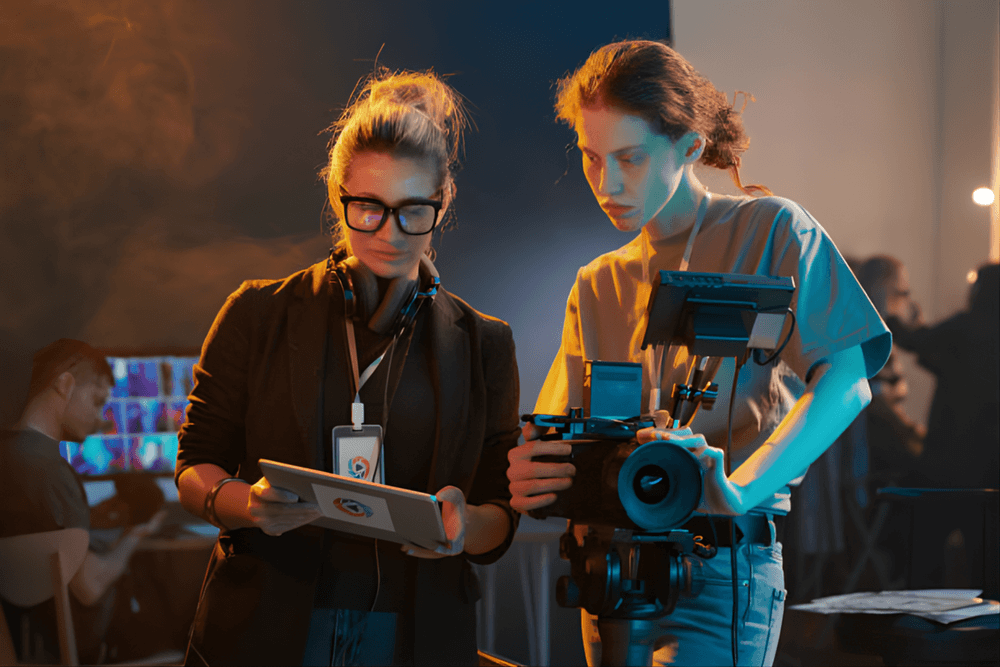
A professional videography quote covers more than just the shoot day itself.
Here is what most professional company quotes include:
Pre Production
- Creative brief development
- Script or shot list preparation
- Location scouting
- Scheduling and logistics
Production
- Filming with professional equipment
- Crew fees (director, camera operator, lighting, sound)
- Talent coordination if required
- Travel expenses for non-local shoots
Post Production
- Raw footage organisation and selects
- Editing and colour grading
- Music licensing
- Motion graphics if required
- Revision rounds
Deliverables
- Final product in agreed formats
- Platform-optimised exports
- Project files or asset library depending on agreement
What often gets left out of a flat fee quote from freelance videographers: music licensing, additional revision rounds, travel expenses, and specialized equipment rentals. Always confirm what is and is not included before signing.
What Drives the Price Up (and What Doesn't Have To)
Understanding what affects your final cost gives you real control over your marketing budget.
What drives pricing up:
- Shooting days: More shooting days mean more crew hours, more equipment time, and higher project fees across the board.
- Crew size: A large crew with a director, multiple camera operators, lighting technicians, and sound engineers costs significantly more than a small crew setup.
- Location: Multiple locations, permit requirements, and travel expenses add up quickly. Local shoots keep costs predictable.
- Specialized equipment: Drone videography, specialty lenses, and high-end lighting rigs all carry additional rental or ownership costs.
- Talent: On-screen talent, voiceover artists, and hair and makeup add project complexity and cost.
- Post production depth: Complex editing, motion graphics, and stock footage licensing extend timelines and raise the final cost.
What does not have to drive pricing up:
- Strong pre production: The more prepared your team is before the shoot day, the fewer costly surprises on the day itself. A clear creative brief, approved script, and confirmed shot list keeps everything on track.
- Asset repurposing: Producing multiple video deliverables from a single shoot is one of the smartest ways to save costs without sacrificing production quality.
- Bundling services: Combining videography services like brand film, testimonials, and social media content into one shoot reduces day rate duplication significantly.
The most expensive video projects are usually the least planned ones.
Red Flags in Videography Pricing
Not all low quotes represent good value. Here is what to watch for when evaluating videography pricing.
Vague scope
If a quote does not clearly define shooting days, crew size, deliverables, and revision rounds, you do not actually have an accurate quote. You have a starting number that will grow.
No line items
A flat fee with no breakdown makes it impossible to understand what you are paying for. Professional videography quotes should detail pre production, production, and post production costs separately.
Stock footage substitution
Some lower-cost providers rely heavily on stock footage to fill out a final product. If original filming is what your project needs, confirm exactly how much of the video will be shot specifically for you.
Unclear revision policy
Unlimited revisions is rarely what it sounds like. Ask how many revision rounds are included and what additional rounds cost before you sign.
No discussion of your specific needs
A professional company should ask detailed questions about your project before providing pricing. If you receive a quote with no discovery conversation, treat that as a signal about the process you can expect throughout production.
Hourly rate without context
An hourly rate sounds simple but can be misleading without knowing how many hours a project typically requires. Day rate pricing is generally more transparent for video projects.
Pricing is only one factor when choosing a production partner. This guide to choosing a video production company explains what else to look for.
What Your Budget Actually Gets You | Real Examples
Pricing ranges only tell part of the story. What a budget actually produces depends on how well the project is planned and how strategically the shoot day is used.
Here are two examples from Levitate Media's client work.
Aries Clean Technologies - Single Shoot, Full Asset Library
Aries Clean Technologies needed professional video and photo content to support their marketing across multiple channels.
Rather than treating the shoot as a single deliverable, Levitate structured the production day to capture a full video and photo library from one visit. The result was a complete content asset suite that served their website, sales materials, and social media from a single project investment.
One shoot day. Multiple marketing assets. Significantly lower cost per deliverable than commissioning each piece separately.
Qventus - Multi-Video Series, Healthcare Tech
Qventus required a series of videos to support their go-to-market strategy across different funnel stages.
Levitate produced a coordinated multi-video series that covered awareness, education, and conversion needs within a structured production plan. Bundling the series reduced overall project fees compared to producing each video independently while maintaining consistent production quality across every asset.
Both examples reflect the same principle. The more strategically a shoot is planned, the more value a budget produces.
How to Get an Accurate Estimate from Levitate
Every video project has different requirements. That is why accurate quotes start with a real conversation, not a generic pricing page.
When you reach out to Levitate, here is what helps us give you the most useful estimate from the start:
- Your project type: Is this a brand film, a testimonial series, a social media content package, or something else? Knowing the video type shapes everything.
- Your timeline: How many shooting days are realistic, and when do you need the final product delivered?
- Your distribution plan: Where will the video live? Different platforms have different production quality and format requirements.
- Your budget range: You do not need an exact number. A general marketing budget range helps us recommend the right approach for your specific needs.
The more detail you bring to the first conversation, the faster we can move from idea to accurate estimate.
Levitate Media has worked with businesses across B2B, SaaS, healthcare, manufacturing, and more. With 17+ years of experience and 10,000+ videos produced, we know how to match production scope to business goals without unnecessary cost.
Insights from