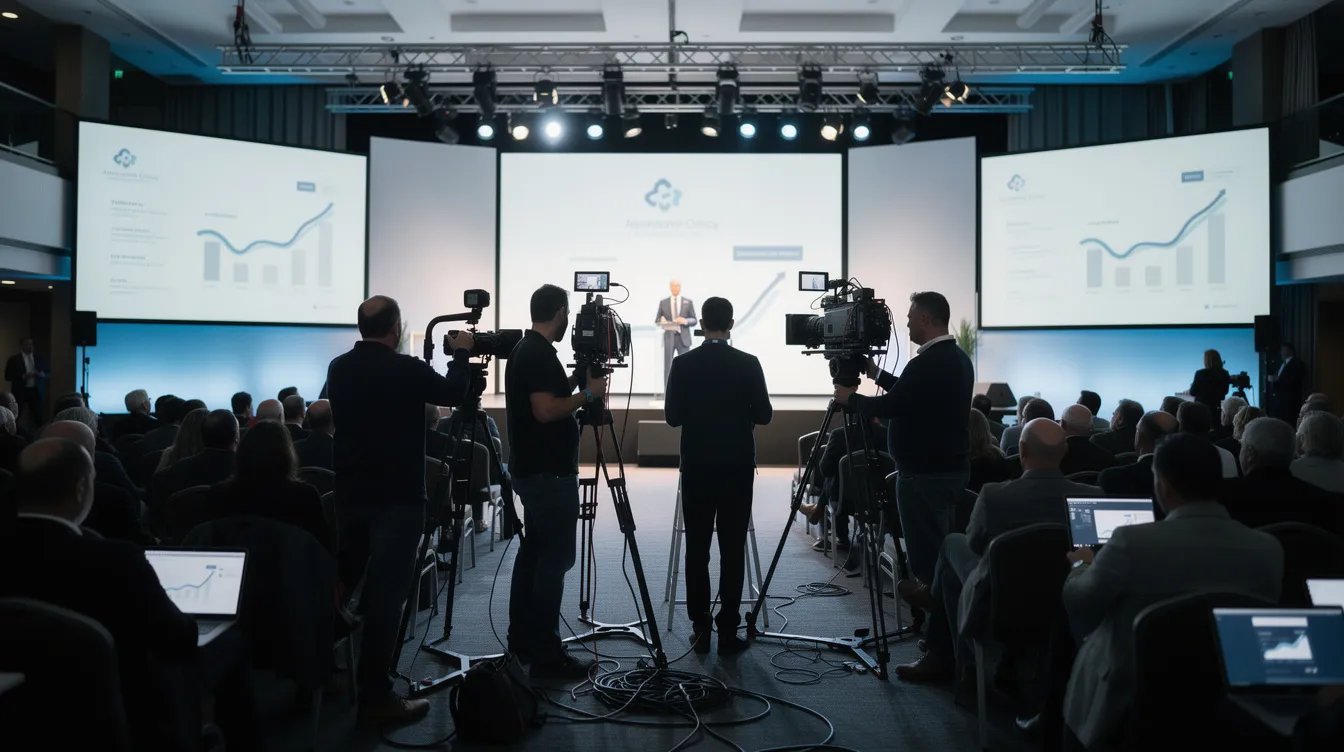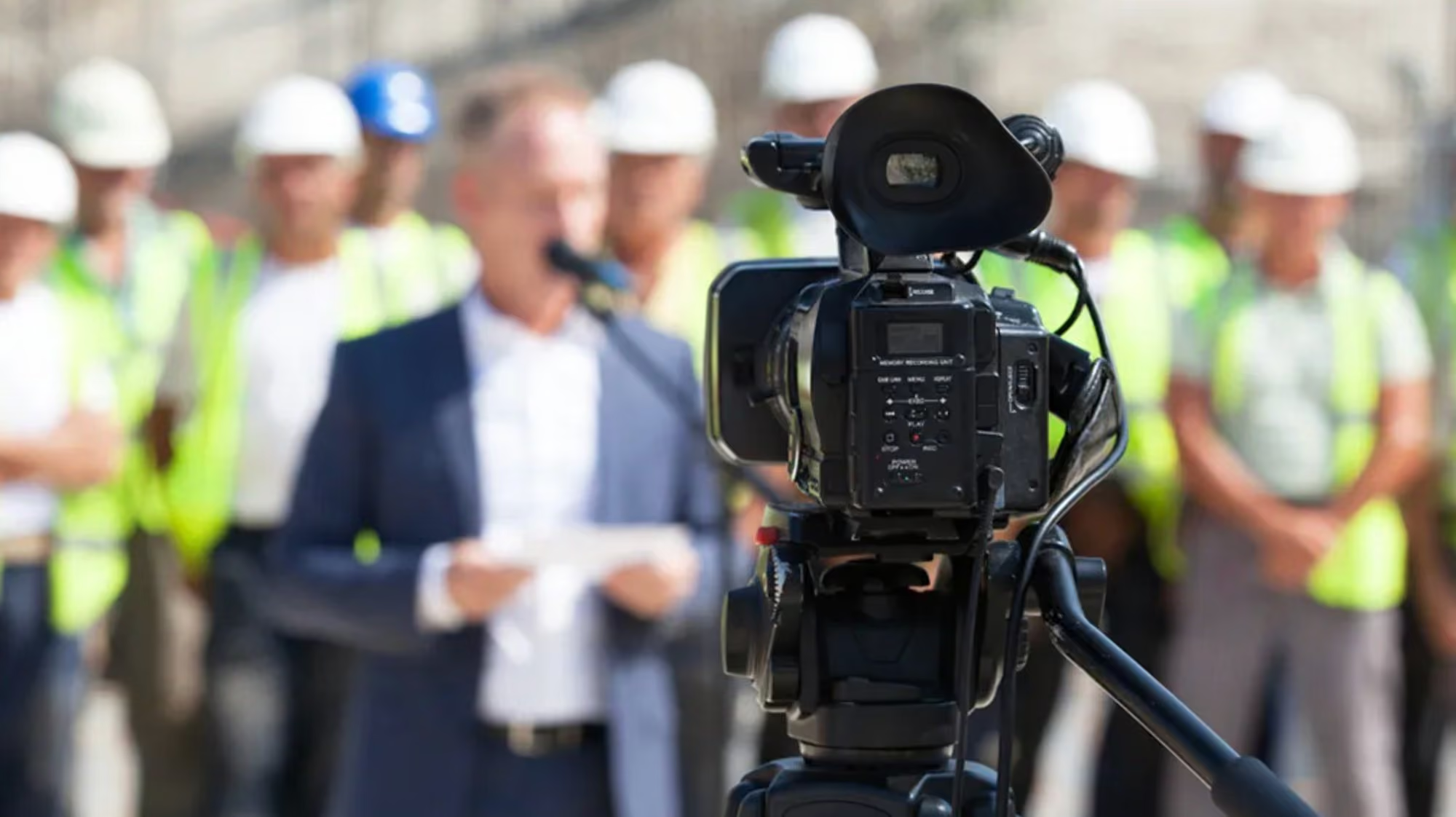
Corporate marketing video production (or video production for business) is truly an art form.
A solid video can be a key component and vital asset in any business strategy. It's a versatile asset that can be used in multiple channels to achieve multiple goals. Sales, marketing, internal culture, training, recruiting - basically ALL the elements that lead to overall SUCCESS.
Obviously, we're a little biased... but we think solid corporate video production services deserve extra attention and investment. If your video doesn't engage your audience, then it's not an asset; it's just an expensive time-suck.
But whether you're partnering with a professional video production company or doing it DIY, understanding the corporate video production process, best practices, and overall benefits is an essential first step to planning video for your business.
Benefits of Corporate Video Production
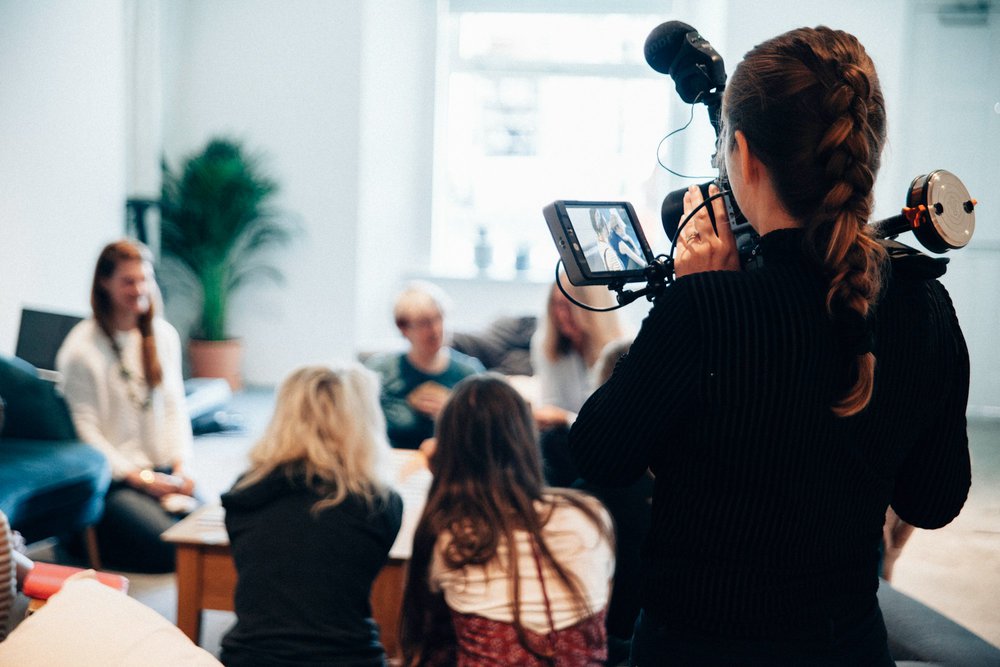
In short, high quality corporate videos can:
- Engage your audience (intrigue potential customers, increase traffic & build brand awareness)
- Inspire action (boost click through rates, increase sales, gain market share)
- Have a lasting impact (inspire referrals, generate loyalty, grow customer lifetime value)
We don't want to sound like a TV commercial pitchman, but that's not all!
Increase Traffic & Visibility
Creating videos with the proper video SEO can make a significant mark on your overall search rankings.
- Web pages with video content are 53 times more likely to rank on Google's first page.
- Search results with videos drive 157% more organic traffic than text-only pages.
- Videos appear in 62% of all Google universal searches, and 80% of those come from YouTube
Better User Engagement & Behavior
Having a killer product or service is only half the battle. Using video strategically to meet potential customers where they are can be what makes or breaks your marketing efforts.
- Embedding videos on a website can increase average dwell time by 88% (adding about 2 minutes to a user's stay).
- Video content has a 41% higher click-through rate (CTR) than text-only results.
- 68% of consumers prefer to watch videos to learn about a product or service, compared to reading articles.
Tangible Business Impact & ROI

Whether you're creating video ads for commercial use, how to videos for onboarding, promotional videos for social media, or sharing customer success stories - the bottom line is that video can make a notable difference in your overall business objectives.
- 93% of marketers report that video provides a good return on investment (ROI), ranking it as the top content format for ROI in 2025.
- 84% of marketers say video has helped increase sales, and 88% report it has generated new leads.
- After watching a branded video, 64% of viewers are more likely to make a purchase.
Types of Corporate Video Production
Whether you're using an in-house team, a video production agency, or a corporate production company - your creative team will likely use one of two types of video production.
Animated Video Production (2D, 3D, or Motion Graphics)
Animated videos aren't just for kids! Animated videos are the best approach to explaining difficult concepts in a way that's easy to understand (and remember).
What makes a good animated corporate video?
- Keeping it short and sweet
- Scripts that are well-written
- Solving a customer's problem
- Staying true to your brand
- Ending with a call-to-action
Our brains are hardwired to process video content because images can be processed 60,000 times more quickly than text. This is why animated videos are so effective at simplifying complex ideas.
Since the majority of people won't take the time to read pages of text, an animated corporate video will certainly capture their attention (especially if it can break things down quickly and easily!).
Live-Action Video Production (In studio, on site, or recorded remotely)
Live-action videos use real people, real environments, and real moments to bring your brand to life. They're ideal for showcasing leadership, sharing customer success stories, filming interviews, capturing your brand culture, or demonstrating how your product works in the real world.
What makes a good live-action corporate video?
- Keeping it authentic and relatable
- Clear, concise messaging
- Strong storytelling that highlights real people and real outcomes
- High-quality visuals and audio to maintain professionalism
- Ending with a compelling call-to-action
Live-action videos work because viewers connect emotionally with real faces and real stories. When people can see your team, your product, or your customers on camera, trust is established more quickly.
Since audiences don't want to sift through dense information, live-action videos offer a fast, engaging way to communicate value and leave a memorable impression.
Types of Corporate Videos

Brand storytelling comes in a variety of formats. It ultimately depends on the specific objective you want to accomplish with your video. As a corporate video production company, we've helped hundreds of companies achieve success by creating corporate videos designed around their specific goals.
Here are a dozen corporate video projects we highly recommend & best practices for each:
Training Videos
Training videos are designed to keep employees informed & show them how to do something clearly, consistently, and efficiently. Instead of relying on long manuals or repetitive in-person training, a well-produced training video breaks information down into bite-sized steps that are easy to follow and even easier to retain.
Great training videos should:
- Be structured in a clear, easy-to-digest sequence
- Use on-screen visuals, demonstrations, or animation to reinforce understanding
- Stay concise and focused on the "need-to-know"
- Maintain a consistent tone and brand style
Whether you're onboarding new hires, standardizing processes, or offering ongoing education, training videos help reduce confusion, improve performance, and save valuable time across your organization.
Commercial Videos
Commercial videos are built for impact. These spots are designed to promote your brand, product, or service in a bold, memorable way - usually for paid advertising campaigns on TV, streaming platforms, or digital channels.
Strong commercial videos should:
- Capture attention within seconds
- Communicate a clear, compelling message
- Blend strategic creative direction with a strong brand point of view
- Include a visual hook or memorable storytelling moment
Commercials aren't just video ads, they're brand-building tools that help audiences instantly understand who you are and why they should care.
How-To Videos

How-to videos show your audience exactly how something works, step-by-step. They're practical, approachable, and one of the most-searched-for content formats online.
Effective how-to videos:
- Break down tasks into simple, visual steps
- Use clear narration or on-screen text
- Demonstrate the exact actions viewers should take
- Anticipate common questions or challenges
These videos reduce support requests, empower customers, and position your brand as a helpful resource - not just a product provider.
Promotional Videos
Promotional videos help boost awareness around an initiative, event, product launch, or campaign. They're fast-paced, high-energy, and focused on creating excitement.
Great promotional videos:
- Use dynamic visuals and strong pacing
- Highlight key value propositions quickly
- Include a clear drive to action & sense of urgency
- Showcase your brand personality
Promotional videos create momentum and keep your audience engaged across social, web, email, and paid channels. These work best as part of a comprehensive marketing campaign.
Behind-the-Scenes Videos

Behind-the-scenes (BTS) videos offer an authentic glimpse into your company, team, or creative process. These videos humanize your brand and make viewers feel like insiders. These don't have to have the high production value that other video assets require - your employees can be your camera operators, and cell phones can be the equipment of choice!
Strong BTS videos:
- Capture unscripted, real moments
- Feature your people and culture
- Show what makes your process different or special
- Build trust through transparency
Behind-the-scenes content strengthens emotional connection, puts real faces and real people behind corporations, and ultimately drives loyalty and long-term brand affinity.
CEO Video Profiles
CEO profile videos give your audience (and employees) direct access to your leadership. These videos communicate vision, values, and direction through the most influential voice in your company.
Effective CEO videos should:
- Feel genuine and conversational
- Focus on purpose, mission, and thought leadership
- Present the CEO as approachable, confident, and human
- Include visuals that reinforce key messages
A strong leadership interview video can elevate your brand story, enhance trust, and provide a clear sense of who's behind the company.
Testimonial Videos
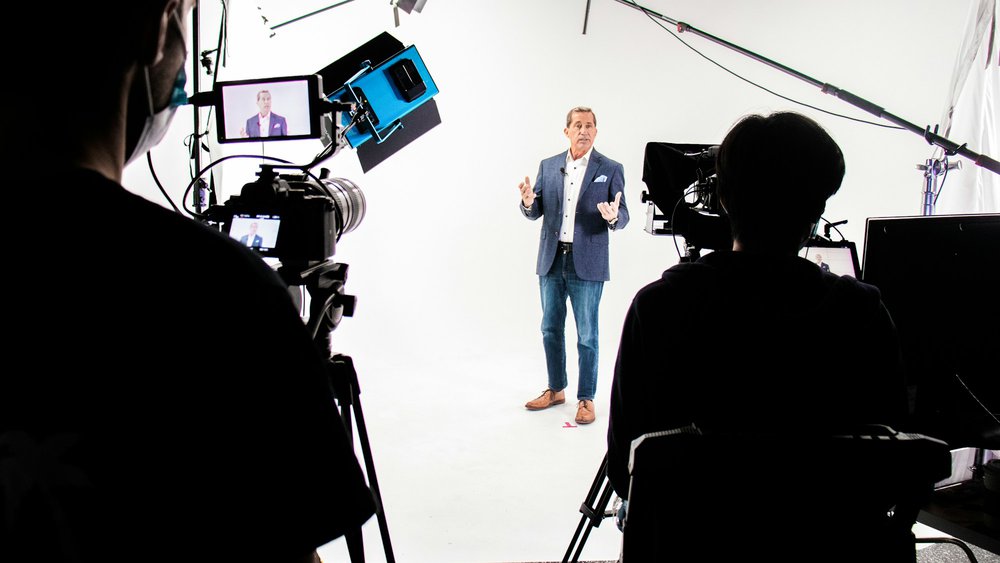
Customer testimonial videos highlight real people sharing real results. They are HANDS DOWN one of the most persuasive forms of video marketing.
Great success stories should:
- Share genuine stories and measurable outcomes
- Blend interview footage with relevant supporting visuals
- Avoid heavily scripted responses
- Focus on transformation and impact
When prospects see themselves in your customers' stories, it builds trust and validates that they are making a good decision (the hallmarks of increasing conversions!)
Brand Videos
These videos highlight your company's brand identity, mission, and values through cinematic storytelling. Unlike a traditional promo video, they go deeper into your brand message, emphasizing emotion over features.
Compelling brand films:
- Tell a compelling story rooted in purpose
- Create emotional resonance
- Showcase your culture, people, or impact
- Leave viewers with a clear sense of who you are
Brand films are foundational pieces of marketing that elevate your company's image, increase brand awareness, and generate long term brand loyalty.
Event Videos

Event videos are all about capturing footage around major moments - corporate activations, conferences, product launches, company meetings, trade shows, and more.
Strong event videos:
- Highlight moments of energy, connection, and excitement
- Include interviews, keynote clips, B-roll, and attendee reactions
- Showcase your brand presence and industry involvement
- Provide footage you can repurpose for marketing long after the event
A great event video increases attendance, boosts credibility, and documents your biggest brand milestones. (Creating a little FOMO doesn't hurt either)
Explainer Videos
Explainers break down your product, service, or idea into a clear, engaging narrative, usually through animation or mixed media production.
Excellent explainer videos:
- Focus on the problem and your solution
- Use simple visuals to clarify complex concepts
- Video length under 2 minutes when possible
- End with a direct call-to-action
They're ideal for landing pages, sales enablement tools, product introductions, and onboarding materials.
Product Demos
Product demo videos show your product in action. Not just what it is, but how it works and why it's valuable.
Effective demo videos:
- Walk viewers through key features or workflows
- Use screen recordings, animation, or live-action demonstrations
- Focus on benefits, not just functionality
- Highlight what makes your product different
A great product demo boosts understanding, shortens the sales cycle, and helps buyers feel confident saying yes.
Recruiting & Company Culture Videos

If you want to stand out among potential candidates, recruitment videos do the heavy lifting before (and after) the interview. They increase job posting visibility and application rate, and ensure your candidates are going to be a good fit before the investment of onboarding.
Recruiting videos should:
- Demonstrate your company's culture in a way that connects
- Keep brand consistency - always including the most important employer value points
- Clearly communicate what makes your workplace unique.
- Highlight the qualities, values, and work style your ideal candidates should have to quickly understand whether they’re a natural fit.
If your recruitment video can speak directly to your ideal candidates, you'll make a memorable impression that can win you the best employees.
Corporate Video Production: The Process
The production process for corporate video production follows the same three stages as any other type of video production (pre-production, production, and post-production).
However, there's one (often overlooked) additional step that should happen before you even start... the production brief.
The Production Brief

A production brief will serve as the foundation of your production and should be completed regardless of whether the video is being produced in-house or if you're contracting a professional video agency.
The production brief doesn't have to be super long or complicated... but it should answer the following questions about your envisioned final product:
- What is the high-level objective of the video you're producing? For example, a recruiting video may have an objective like "The objective is to give prospective job candidates a deeper look into our company culture and ensure they are a fit before applying."
- What is the specific objective of your video? Maybe it's to see a specific increase in sales funnel leads, or metrics that support engaging customers at the top of the marketing funnel.
- Who is the target audience? Try to be specific with this one... demographics, where they will view the video, what their pain points are, etc. (more than one audience? this is the right time to consider alternative cuts for targeted campaigns)
- What are the key points you want to communicate through the video? Keep this to three or fewer. Any more, and you'll risk going too long and losing your audience trying to cram too much in. Messaging is truly the secret sauce to good video marketing!
- Where will the video live? Is this for use on your website, in presentations, for promoted social media ads, etc.
- Finally... how will you measure success? This one is very important. Will you have a clickable call to action at the end of the video that will take the viewer to a landing page? Those clicks could be the way you measure success, or perhaps just the change in website traffic is enough. Direct attributions and key KPIs will not only help prove ROI, it will help navigate strategy after the final delivery of your video!
Pre-Production

Pre production planning is where every detail is organized before cameras roll or animation begins. This stage lays the foundation for a smooth, successful production.
If you haven't already finalized your creative approach (treatment) or budget, this is where you start. When working with a video production company, they'll typically use your production brief and brand guidelines to develop creative concepts, often supported by style frames that show the creative direction and tone.
Once the creative format is approved, the next step is outlining your messaging. Scripted content moves into scriptwriting; non-scripted editorial videos often begin with a story arc outline; and testimonial videos typically start with a list of key interview questions.
After the script or outline is ready, you'll enter the storyboarding stage. Animated videos always require storyboards to map out each scene. Live-action productions may use storyboards, shot lists, or a combination of both.
More complex commercial live-action projects may also include additional pre-production elements such as production design, casting breakdowns, prop selection, location scouting, and more.
Production: (The Fun Part!)

Now it's time to put all your plans into action!
For animation and narrated videos, production can start with getting voiceover reads, character design and the development of scenes and visual elements.
For live-action production, it's time for the actual filming. This could be collecting raw footage for post-production editing, interviews on camera, or staged commercial productions with actors or influencers.
This stage of the video creation process can make or break whether you have polished, high quality video content or footage that feels disjointed and unprofessional.
Post-Production:
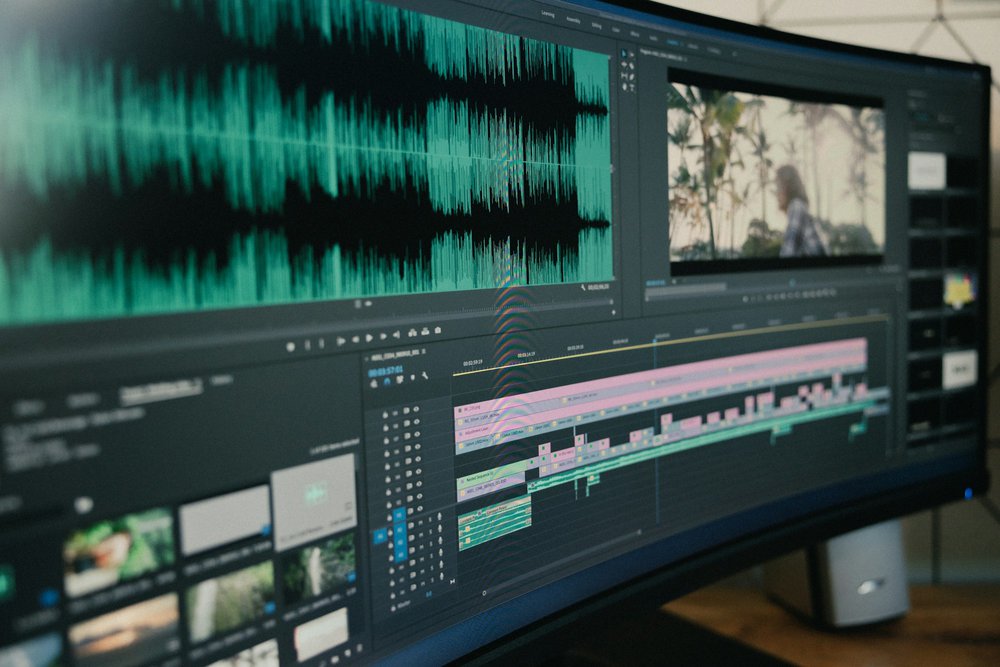
Post-production is where the entire process comes together and your video truly starts to take shape.
For animated videos, this includes assembling the edit, ensuring transitions are smooth, completing sound design, and adding finishing effects that bring each scene to life.
For scripted live-action videos, editors begin by organizing all footage, selecting the best takes, and assembling scenes in sequence. If your video uses voiceover narration, the footage will be aligned to the VO to create a cohesive visual story.
Larger productions may go even further: adding visual effects, advanced sound design, original music scoring or composing, and full professional color grading.
Post-production is ultimately where your creative vision comes to life and where a polished, high-quality final video is made.
TLDR
Corporate marketing videos are one of the most powerful tools for growing your business. When done well, they increase visibility, improve user engagement, boost conversions, and create long-term brand loyalty.
From animated explainers to live-action commercials, testimonials, explainers, and training content, great video is a versatile asset that supports marketing, sales, recruiting, culture, and customer education.
To get the best results, understand the production process (brief → pre-production → production → post-production) and choose the right video type for your goals.
Whether you create in-house or partner with a corporate video production company, strategic planning and strong storytelling are what turn video from a marketing expense to an ROI-generating business asset.
At Levitate, we're always ready to talk video. If you're ready to dive into corporate video production and explore possibilities, just get in touch!
Insights from