Most campaign video ideas die in a brainstorm doc. Someone pitches a concept, the team agrees it sounds cool, and then nothing happens because there is no clear plan for who the video is for, where it will live, or what it should actually accomplish.
That is the gap between making a video and running a video campaign. A single video is a deliverable. A campaign is a system where every asset connects to a specific objective, a defined audience, and a distribution channel. The difference shows up in results.
This post breaks down 15 concepts organized by business goal, from brand awareness to customer retention. Each one includes a clear objective, suggested format, recommended platforms, and a realistic production scope so your team can move from brainstorming to production faster.
What Makes a Campaign Video Different from a One-Off Video?

A one-off video lives alone. You film it, upload it, maybe share it on social media platforms, and move on. There is no sequencing, no follow-up content, and no real measurement plan beyond view counts.
A campaign video is built differently. It is part of a larger system where every piece of video content connects to what comes before and after it. A teaser leads to a reveal. A reveal leads to a deep dive. Each asset targets a specific stage of the funnel and speaks directly to a defined audience.
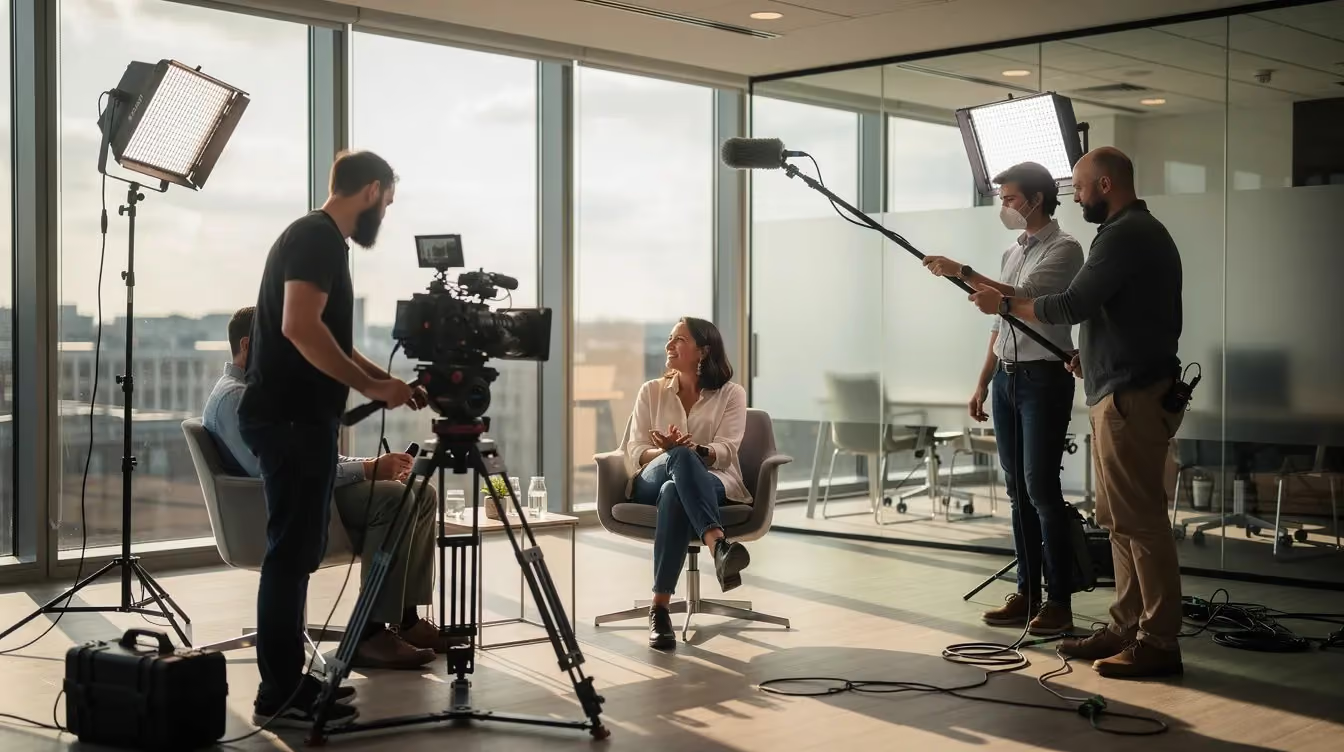
That structure changes how you plan the video shoot. Instead of thinking about one deliverable, you are thinking about how footage from a single interview day can produce:
- A hero film for your website
- Social cutdowns for LinkedIn and Instagram
- Email clips for nurture sequences
- Still photos for blog and ad creative
You plan for repurposing before the camera rolls, not after.
Campaign thinking also changes how you measure success. A one-off video gets judged on views. A campaign gets judged on what those views actually did: pipeline generated, demos booked, roles filled, churn reduced.
The practical upside is cost efficiency. Producing five connected videos from one well-planned shoot is almost always cheaper than producing five unrelated videos across five separate production days. You get more content, more consistency, and a clearer story for your viewers.
Brand Awareness Campaign Video Ideas
These first three campaign video ideas are designed to introduce your brand to new audiences at the top of the funnel. The goal is not to sell. It is to create a story strong enough that viewers remember who you are when they are ready to buy.
1. Documentary-Style Brand Film Series
Film a multi-episode documentary series that explores your company's mission, the people behind it, and the problems you solve. Think cinematic interviews, location footage, and a real narrative arc across episodes.
- Objective: Raise brand awareness and build trust with cold audiences
- Format: 2-5 minute episodic films with documentary interviews and high production value
- Platforms: Website, YouTube, LinkedIn, paid social
- Production scope: Premium tier. Requires multi-camera setup, location scouting, and post-production-heavy editing. Timeline: 6-12 weeks per episode
A documentary series is one of the most powerful video marketing campaign examples because a single shoot can produce dozens of derivative assets. One interview day might yield a full episode, social cutdowns, quote cards, and behind-the-scenes content for months.
2. Customer Story Anthology
Build a library of customer stories where each video shows real outcomes with specific metrics. This is not a single testimonial. It is a structured collection that covers different verticals, use cases, and buyer personas.
- Objective: Build credibility across industries and funnel stages
- Format: Interview-driven case studies with outcome data, product footage, and animated overlays
- Platforms: Website case study pages, sales decks, LinkedIn, YouTube, email nurture flows
- Production scope: 4-8 weeks per finished video. Can batch multiple stories in a single production trip to reduce costs
The best customer story videos do not just have someone talking about results. They show the customer's environment, their team, and the before-and-after contrast that makes the transformation feel real.
3. Brand Manifesto Social Cut
A 45-60 second manifesto video that sets out what your company believes and why it exists. This format works especially well when built from existing content like blog posts, internal decks, or past campaign creative.
- Objective: Position the brand as a clear, values-driven choice in a crowded market
- Format: Mixed media using stock footage, customer scenes, bold typography, and professional voiceover
- Platforms: Paid social on LinkedIn and YouTube, organic company channels, conference screens
- Production scope: 4-6 weeks. No new shoot required if you already have strong visual assets to work with
A manifesto earns attention through conviction, not entertainment. Keep the script tight, lead with your strongest belief, and let the visuals reinforce the message rather than distract from it.
Product Launch Campaign Video Ideas

These next three video campaign concepts focus on demand generation. They are built to drive demo requests, trials, and product understanding during a launch window. This is where promotional video production earns its keep, and each concept repurposes well across social media platforms, landing pages, and sales sequences.
4. Teaser-Reveal-Deep Dive Three-Phase Approach
Structure your launch as a three-act story. Phase one is a teaser that builds curiosity without showing the product. Phase two is the reveal where you show what you have built. Phase three is a deep dive that walks through features, use cases, and real-world applications.
- Objective: Generate awareness and demand across the full launch window
- Format: Teaser (15-30 seconds), reveal (60 seconds), deep dive (2-4 minutes). Use a storyboard to plan visuals across all three phases before the shoot starts
- Platforms: YouTube, website, launch event, email, paid ads, social media
- Production scope: 8-10 weeks depending on the mix of motion graphics and live action. Plan to film all three phases during the same production period to keep costs down
This approach works because it gives your audience a reason to come back. The teaser creates anticipation. The reveal rewards it. The deep dive converts the people who are ready to take the next step. For more inspiration on structuring a launch, check out our promotional video examples.
5. Animated Feature Breakdown Series
Create a series of short animated episodes that walk your audience through individual features or modules, one at a time. Animation is ideal here because you can show software interfaces, data flows, and abstract concepts that are hard to capture on camera.
- Objective: Reduce friction in the buying process and educate prospects on specific capabilities
- Format: 60-90 second 2D or motion graphics episodes with UI mockups and clear narrative
- Platforms: Product pages, onboarding flows, YouTube, retargeting ads
- Production scope: 3-5 weeks per episode. Series of 4-6 episodes can be planned and produced together to maintain visual consistency
The key is keeping each episode focused on one feature and one benefit. Trying to cover everything in a single video is how explainer content gets bloated and loses viewers.
6. Screen-Recorded Product Demo
Show a real user journey inside your software. Record a clean screen capture with voiceover and simple callouts that highlight the workflow a prospect actually cares about.
- Objective: Help mid-funnel prospects visualize using the product before a live demo
- Format: HD screen recording with cursor highlights, overlays, and conversational narration
- Platforms: Nurture emails, support center articles, LinkedIn posts targeting specific verticals
- Production scope: 2-4 weeks. Find a quiet area to record the voiceover for clean audio. This is one of the most accessible creative video campaign ideas on the list
You do not need a film crew for this one. A good microphone, screen capture software, and a clear script will get you there. The important thing is making sure the demo follows a real use case, not a feature tour. Show the viewer how to solve their problem, not how many buttons your product has.
Lead Generation Campaign Video Ideas
These three concepts move viewers from interest to action. Every idea here includes a clear call to action, whether that is filling out a form, booking a demo, or downloading a resource. The goal is not just engagement. It is capturing intent and turning it into pipeline.
7. Educational Webinar-to-Short-Form Pipeline
Host a long-form webinar (45-60 minutes) on a topic your target audience actually cares about, then cut the recording into short videos for social distribution. One live session becomes an entire content engine.
- Objective: Lead capture through registration and ongoing nurture through derivative content
- Format: Full webinar recording plus 30-60 second highlight clips and teaser cutdowns
- Platforms: LinkedIn, email, website, YouTube, paid social
- Production scope: 6-8 weeks including prep, hosting, and post-production. Plan the webinar with editing in mind so you capture clean audio and distinct segments that are easy to cut
The biggest mistake teams make with webinars is treating the live event as the finish line. The real value is in the 10-15 short videos you can pull from a single session. Those clips fuel social media platforms for weeks and keep the conversation going long after the live audience logs off.
8. Myth-Busting Industry Explainer
Pick 3-5 common myths in your industry and bust them on camera. Each myth gets its own segment with a bold on-screen title, a quick explanation of why it is wrong, and your perspective on what is actually true.
- Objective: Build thought leadership and attract prospects who are early in their research
- Format: Hosted presenter speaking directly to camera with on-screen titles, simple charts, and supporting footage
- Platforms: LinkedIn thought leadership posts, YouTube search, gated trend reports
- Production scope: 3-5 weeks. Simple enough for quarterly updates as market conditions change. One shoot day can produce a full series
This format works because it starts a conversation instead of a pitch. When you speak directly to the misconceptions your audience already has, you position your team as educators rather than vendors. That is how the best videos build community trust and create new ideas about what is possible.
9. Gated Video Case Study Series
Film case study interviews with real customers and place the full videos behind a form on your website. Then create short ungated preview clips for social media to drive traffic to the landing page.
- Objective: Move prospects from interest to evaluation while capturing contact information
- Format: Full case study interviews with outcome metrics behind a gate, supported by 30-60 second ungated social snippets
- Platforms: Website landing pages, email nurture, sales outreach, LinkedIn ad targeting
- Production scope: 5-8 weeks per case study including filming, editing, and landing page setup
The key is making the preview clip compelling enough that viewers want the full story. Lead with a specific result or a surprising insight from the customer, not a generic intro. If the preview does not create curiosity, the gate becomes a wall.
Recruitment Campaign Video Ideas
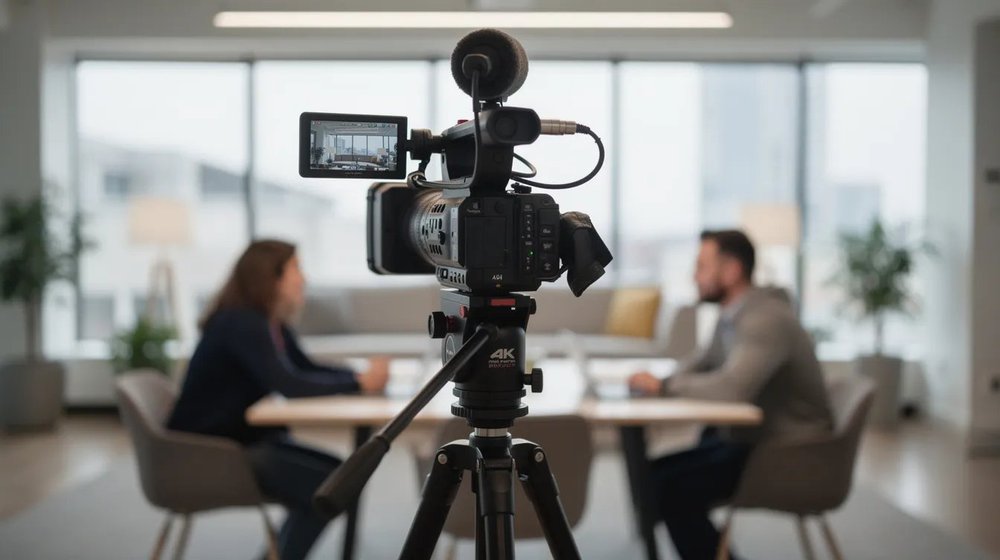
Hiring campaigns deserve the same strategic planning as marketing campaigns. Most companies treat recruitment video as an afterthought, but the best employer brands run structured video campaigns that attract talent the same way product campaigns attract buyers. These three concepts support employer branding and talent acquisition across platforms where candidates actually spend time.
10. Day-in-the-Life Employee Series
Film real team members walking through their actual workday. Follow them from morning to end of day, capturing genuine moments in their environment rather than scripted talking points.
- Objective: Attract talent with honest, engaging culture content that shows what the job actually looks like
- Format: Semi-scripted episodes following individual employees, shot in their real office and work environment
- Platforms: Careers page, LinkedIn, Instagram, TikTok
- Production scope: 3-5 weeks per episode. Shoot on location at your office or job site with a small crew. Capture both vertical and horizontal footage so you can produce social cutdowns alongside the main edit
Most people prefer seeing real office life over polished corporate messaging. Let your team's personality stand out. The more authentic the footage feels, the more it resonates with young adults and gen z candidates who can spot overly produced content immediately.
11. Hiring Manager Direct-to-Camera Appeals
Have hiring managers speak directly to camera about their team, the open role, and what they value in a candidate. This format lets viewers feel like they are already in a conversation with their future boss.
- Objective: Fill specific roles faster with higher-quality applicants
- Format: Direct-to-camera video with a simple background, name bars, and light motion graphics
- Platforms: LinkedIn, niche job boards, internal referral channels, email outreach
- Production scope: 2-3 weeks per role. You can record these on a smartphone in a clean office setting with good lighting. Keep each video under two minutes
This is one of the most underused campaign video ideas on the list. Job descriptions are static. A hiring manager on camera explaining why they love building their team and what the first 90 days look like creates a direct, human connection that a text post cannot match.
12. Culture Montage for Careers Page
A montage-style video that captures your company vibe through office shots, team events, candid moments, and quick employee soundbites. Think of it as a highlight reel for your workplace.
- Objective: Give prospective hires an immediate feel for your culture before they apply
- Format: Montage with music, overlay text, quick interview clips, and b-roll from real company moments
- Platforms: Website careers page, social media, internal referral campaigns, Glassdoor profile
- Production scope: 3-4 weeks depending on number of locations. One shoot day across your office spaces can produce the core footage, with multiple 15-second social clips cut from the main 60-90 second edit
The mistake most companies make is trying to script culture. Culture montages work best when they capture what is already happening rather than staging something that looks good on camera but feels forced.
Customer Retention Campaign Video Ideas
Winning a customer is only half the challenge. The other half is keeping them engaged, reminding them of the value they are getting, and making them feel like part of your story. These three video marketing campaign examples help reduce churn and turn existing customers into long-term supporters.
13. Onboarding Video Welcome Sequence
Create a series of short videos (1-3 minutes each) that walk new customers through setup, key features, and quick wins. Each video ends with a clear call to action pointing to the next step, so the sequence guides users from signup to their first real result.
- Objective: Reduce early churn and accelerate time-to-value for new customers
- Format: Mix of live action and animation, delivered as a drip sequence over the first few weeks
- Platforms: Email onboarding flows, in-product UI, help center
- Production scope: 4-6 weeks for a full sequence. Plan the videos as a set so the visual style and tone stay consistent across the whole journey
The goal of onboarding video or training videos is to get customers to their first win as fast as possible. The faster someone sees value, the more likely they are to stick around.
14. Quarterly Impact Report Video
Turn your customer success data into a polished video with animated charts, customer clips, and executive voiceover. Instead of sending a dense PDF that nobody reads, you give customers a two-minute video that shows the measurable value they are getting.
- Objective: Reinforce value and share measurable results with existing customers
- Format: Animated data visualizations combined with short customer stories and executive voiceover
- Platforms: Email to customers, website, social media, sales and renewal touchpoints
- Production scope: 4-6 weeks depending on data complexity and the level of custom animation
This is the kind of video content that makes customers feel invested in your growth. If customers have shared comments, photos, or feedback about your product, weave that user-generated content into the report. It adds authenticity and shows you are listening.
15. Campaign Recap and What Comes Next
This video wraps up a specific campaign period and sets expectations for what comes next. It closes the loop with your audience, celebrates the wins, and creates a natural bridge to your next initiative.
- Objective: Reinforce results, align internal teams, and invite viewers into the next phase
- Format: Mixed media recap combining stats, clips from earlier campaign videos, and a closing message from leadership
- Platforms: Email to campaign participants, website recap pages, internal all-hands meetings
- Production scope: 2-4 weeks, primarily editing and motion graphics pulled from your existing campaign asset library
A recap video is one of the most efficient creative video campaign ideas because it reuses footage you already have. Export it in both horizontal and vertical formats so you can share the full version internally and cut social clips for your wider audience. It is also a smart way to keep your community engaged between campaigns.
How to Plan a Campaign Video Content Calendar

Having 15 campaign video ideas is one thing. Knowing which ones to produce and in what order is what separates a real campaign from a pile of disconnected videos. The trick is mapping your concepts across a 60-90 day window so each asset builds on the last.
A simple sequence looks like this:
- Weeks 1-3: Lead with awareness. Roll out your brand film or manifesto to introduce the campaign and set the tone.
- Weeks 4-8: Shift to product and demand generation. Release your launch videos, animated explainers, and lead gen assets while interest is high.
- Weeks 9-12: Layer in recruitment and retention pieces to keep momentum going and reinforce value with the audience you have built.
You do not need to produce all 15 ideas. Most teams are better off choosing five to seven concepts that match their goals and timeline, then producing them well.
The smartest move you can make is reusing footage across multiple videos. One interview day can yield a hero video, social cutdowns, email clips, and blog thumbnails. An event teaser can be cut entirely from footage you already have on file. Plan this kind of repurposing before the shoot, not after, so you capture everything you need in a single production window.
For a broader framework on mapping video to business goals throughout the year, our video content marketing plan guide walks through the full process.
How to Measure Campaign Video Performance

When you invest in multiple campaign videos, measurement is how you figure out which ideas to scale and which to retire. The mistake most teams make is judging every video by the same metric. A brand awareness film and a lead gen webinar have completely different jobs, so they need different scorecards.
Match your metrics to the objective behind each video:
- Awareness videos: Track reach, impressions, and view-through rate. You want to know how many new people you reached and how many stuck around to watch.
- Lead generation videos: Track click-through rate, cost per lead, and conversion to demo or registration. These videos have a job to do, and that job is filling your pipeline.
- Retention videos: Track renewal rates, product engagement, and customer feedback. The goal here is keeping the customers you already have.
Pay close attention to the first few seconds of every video. Viewers decide fast whether to keep watching, so if your early drop-off rate is high, the opening is usually the problem. Test different hooks and thumbnails for the same video content to see what actually holds attention.
The most important habit is tying video performance back to pipeline and revenue, not just views. B2B buying cycles are long, so a video that looks underwhelming on last-click metrics might be quietly influencing deals that close months later. Give your attribution window enough room to tell the real story.
Ready to Produce Your Campaign Videos?
Every concept on this list starts with a simple conversation about your goals, your target audience, and what success actually looks like. You do not need a finished script or a storyboard to begin. You just need a clear sense of what you want the campaign to accomplish.
Whether you are ready to tackle a full documentary series or want to start with a single screen-recorded demo, Levitate Media can help you move from rough campaign video ideas to finished, distributed content. With 17 years of experience and more than 15,000 videos produced, we help businesses turn video into a measurable growth asset, not just another line item.
Get a free quote or take a look at our video pricing to see what fits your budget.
Insights from