
Most nonprofit fundraising videos miss the mark in the same way. They open with a logo, run through a list of programs, drop a few statistics, and close with a vague "make a difference" ask. Donors watch politely and move on.
That is not a video problem. That is a strategy problem.
Fundraising video production done right starts with a clear campaign goal, a single compelling story, and a direct ask that gives donors a reason to act today. When those three things align, video becomes one of the most powerful tools a nonprofit has for driving donations, retaining donors, and building lasting emotional connection with the people who fund the mission.
What separates a forgettable nonprofit video from one that fills a room with open wallets comes down to process, storytelling, and intent. Here is how to get all three right.
What Is a Fundraising Video and How Does It Differ from Other Nonprofit Videos

A fundraising video is a purpose-built video asset designed to drive one specific outcome: donations. That distinction matters more than most organizations realize.
Mission videos explain who you are. Awareness campaigns raise visibility around a cause. Educational videos simplify complex issues for a broader audience. A nonprofit fundraising video does none of those things as its primary job. It is built around a specific fundraising campaign, a defined target audience, and a direct donor action.
The difference shows up in every creative decision. The story is chosen because it represents the real world impact of a gift. The pacing builds toward an ask. The call to action tells donors exactly what to do next and what their contribution provides.
People donate to people, not institutions. That is why charity video production that leads with personal stories and authentic interviews consistently outperforms videos that lead with organizational credentials. Donor psychology responds to human faces, real stories, and specific impact. The numbers back this up. According to video marketing data for nonprofits, donors who watch a fundraising video are 48% more likely to make a donation than those who do not.
When nonprofit video production is treated as a revenue asset rather than a creative expense, the entire approach shifts. Strategy comes before cameras. Story comes before statistics. And the result is a donation video production that does not just raise awareness but raises money.
Types of Fundraising Videos and When to Use Each
The type of fundraising video you produce should match the campaign you are running and the action you want donors to take. Here are the main types and when each one works best.
Annual Appeal Videos
These are the workhorses of nonprofit fundraising. Annual appeal videos drive year-end giving, Giving Tuesday pushes, and recurring donor renewal. Use these when you have a specific giving deadline, a matching gift opportunity, or a campaign with a hard dollar goal. They work best in email campaigns and on donation landing pages.
Capital Campaign Videos
Capital campaign videos support large fundraising efforts for buildings, expansions, or major new programs. Use these when you are asking donors for significant multi-year commitments. They tend to be more cinematic and often feature multiple personal stories to justify major gifts. These live in board presentations, donor briefings, and capital campaign launch events.
Peer-to-Peer Campaign Videos
Short, shareable, and built for mobile. Use these when you want your existing donors and supporters to fundraise on your behalf. Peer-to-peer videos give your community something they can post themselves, turning donors into fundraisers and helping you reach a wider audience without additional production costs.
Gala Opener Videos
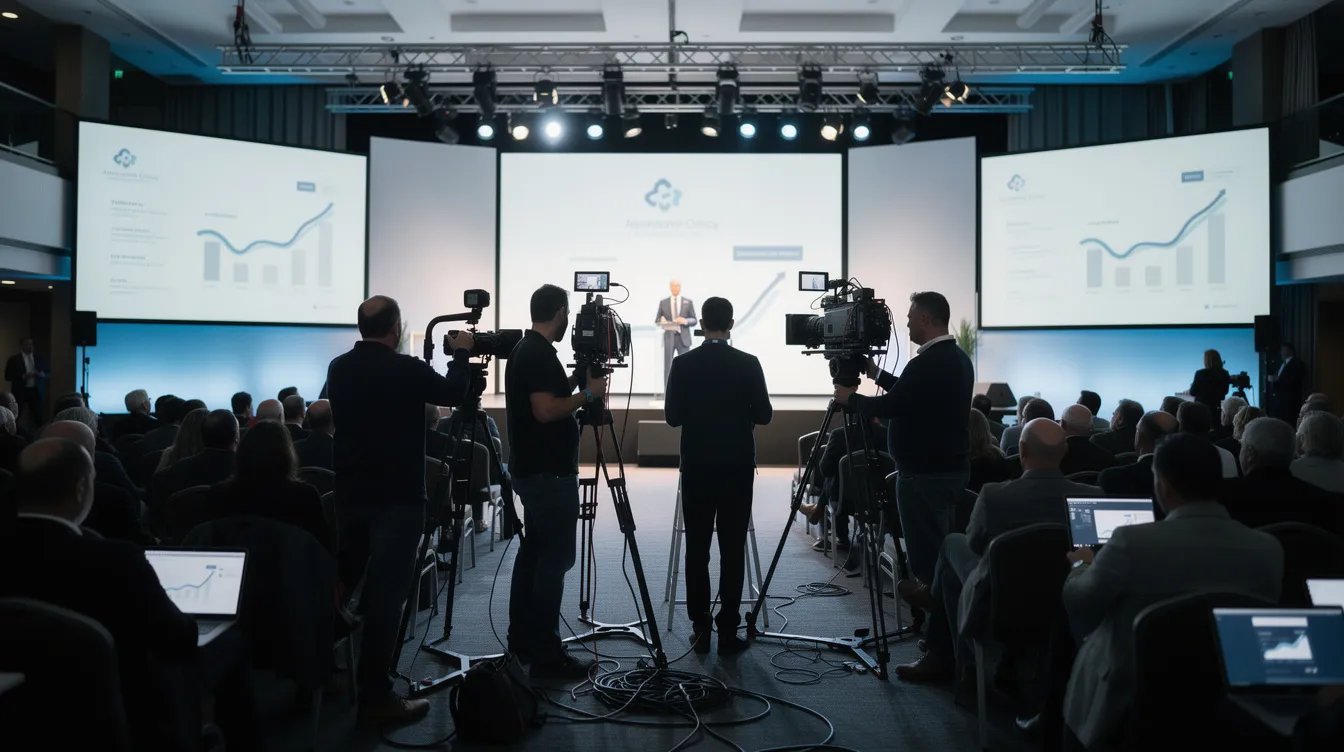
Gala videos are designed to land hard in the first few minutes of an event. Use these when you need to set the emotional tone for a room full of donors before a live ask or paddle raise. They need to move fast, build emotion quickly, and leave a lasting impression.
Emergency and Crisis Appeal Videos
These respond to urgent need. Use these when your organization needs to mobilize donors quickly. The message is immediate and honest. Donors watching an emergency appeal need to feel the urgency without feeling manipulated, so authentic nonprofit storytelling matters even more here.
Impact Report Videos
Impact videos are stewardship tools. Use these after a campaign closes or at the end of a fiscal year to show donors what their money actually did. A well-produced impact video builds trust, strengthens donor retention, and often leads to larger gifts over time.
Donor Testimonial and Beneficiary-as-Advocate Videos
These are among the most underused formats in nonprofit fundraising. A donor explaining why they give is more persuasive to a prospective donor than almost anything your communications team can write. A beneficiary speaking directly to camera about what your organization made possible does the same for program impact.
Use these when you want to build trust with new donor audiences, add credibility to a major gift ask, or strengthen a peer-to-peer campaign. They also function as low-cost stewardship tools. Sending a donor testimonial video to lapsed donors often outperforms a direct mail piece at a fraction of the distribution cost.
For organizations that want to capture testimonial and case study video at scale, Levitate Media's sister brand CaseLeap specializes in exactly this format.
How to Choose the Right Storytelling Approach for Your Campaign

Nonprofit video storytelling is what separates a video that gets polite applause from one that empties a room of donations.
Focus on One Person, One Story
When you try to tell five stories at once, none of them land. Pick one person whose journey represents the broader mission. Donors connect with individuals, not programs. One real person's transformation will always outperform a highlight reel of statistics.
Use a Simple Three-Act Structure
The best fundraising campaign videos follow a structure that mirrors how humans process change.
- The before: Show the challenge your community is facing before your nonprofit's work enters the picture
- The turning point: Show the moment where community support and your nonprofit's mission make a difference
- The after: Show the real world impact of that intervention and make the donor's role in it clear
Lead With Dignity, Not Pity
Ethical storytelling is not just the right thing to do. Donors are increasingly turned off by exploitative imagery. Informed consent, respect for the subject's agency, and letting people tell their own story in their own words builds more trust than a scripted tearjerker ever will.
Make the Donor the Hero
Frame the story so the viewer understands their gift is what makes the transformation possible. Your nonprofit is the vehicle. The donor is the hero. That shift in perspective changes how people respond to the ask.
The Fundraising Video Structure That Works
A strong fundraising campaign video follows a proven narrative arc that consistently drives donor action.
Open With One Person's Story
Skip the logo opener. Start with a real person in a real moment. The first 10 seconds determine whether someone keeps watching.
Show the Problem at Scale
Once the viewer is emotionally invested in the individual, pull back and show the broader challenge. How many people face this same situation? This is where you connect one personal story to a larger mission.
Present Your Organization's Approach
Show how your nonprofit steps in. Not a list of programs. Show the actual moment where your work changes the trajectory of someone's life.
Make the Impact of a Gift Specific
Vague asks lose donors. Specific asks convert them. Tell donors exactly what their contribution does. "$50 provides a week of meals. $200 keeps a family in transitional housing for a month." Concrete numbers make giving feel real and meaningful.
Close With a Direct Call to Action
End with one ask and one action. One link, one button, one next step. Do not send donors to a homepage and expect them to figure it out.
Fundraising Video Production Process: From Discovery to Final Delivery

Before you brief a production company, know what each phase actually involves.
Pre Production
This is where the real work happens. Before a single camera turns on, your production team should be aligned on:
- The fundraising goal and campaign timeline
- The right story subject and why their journey fits the ask
- Interview questions or a script framework
- Location scouting and shoot scheduling
- The full list of deliverables needed across channels
If your gala is in October, start conversations with your production company at least 8 to 12 weeks out. This is also the phase where ethical considerations get built into the plan. Consent processes, privacy protections, and trauma-informed interview approaches should all be decided before you show up with a camera.
Production
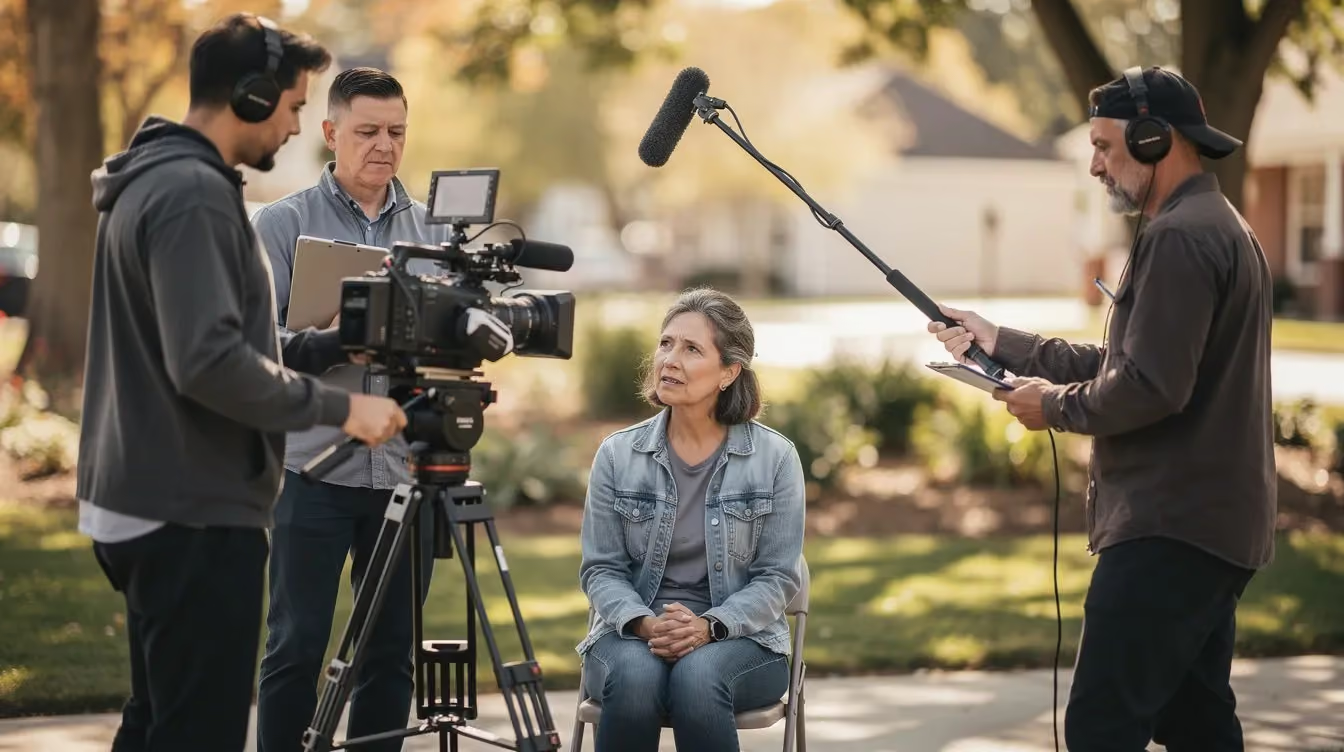
A typical shoot for a 2 to 4 minute fundraising video runs one to three days. The crew captures authentic interviews, b roll of programs in action, and voiceover or donor commentary.
Audio quality matters more than most organizations realize. A viewer will forgive average visuals before they sit through bad sound. Raw footage from a well-planned shoot can fuel multiple edits and future campaigns.
Levitate Media produced a campaign video for the American Red Cross that turned one shoot into multiple deliverables across live events, email, and digital channels. See how it came together at levitatemedia.com/american-red-cross.
Post Production
Post production is where the story gets shaped. This phase includes:
- Editing raw footage into a narrative arc
- Color grading for visual consistency
- Sound design and music licensing
- Motion graphics for data or impact numbers
- Subtitles for accessibility
- Multiple versions cut for different platforms
A collaborative post production process with your development and communications teams keeps everything aligned with your organization's mission. Nonprofit video production typically takes 6 to 10 weeks from kickoff to final delivery.
Depending on your campaign and subject matter, your production team will recommend live action, animation, or a mixed media approach. Each has its place and a good production partner will help you decide which fits your story and your budget.
Budgets and Timelines for Professional Fundraising Video Production
Under $10,000
Smaller grassroots projects and annual appeal videos often land in the $4,000 to $8,500 range. One story, one location, one or two shoot days. This budget works well for social-first campaigns and email appeals.
$10,000 to $25,000
This is where most serious fundraising campaign videos land. At this level you get a multi-day shoot, professional production, motion graphics, sound design, and multiple deliverables cut for different platforms.
$25,000 and above
High production fundraising films built for capital campaigns, major donor events, or documentary-style storytelling live here. Multiple locations, custom animation, original music, and cinematic quality suited to a major gala or board presentation.
Key cost drivers include number of shoot days, location fees, animation complexity, music licensing, on-screen talent, and the number of final cuts needed. Most projects run 6 to 10 weeks from kickoff to final delivery. Build backward from your fixed dates to avoid rush fees.
Explore Levitate Media's video pricing to get a clearer picture of what professional production looks like at different investment levels.
How to Distribute a Fundraising Video Across Campaigns and Channels

A well-planned nonprofit fundraising video should work across multiple platforms and campaigns, not just one moment in time.
- Live events: Screen the flagship cut at your gala or capital campaign kickoff. This is where the full emotional impact lands hardest
- Email campaigns: Email remains one of the top channels for donor engagement. Nonprofit Tech for Good reports that 33% of donors say email is the channel that most inspires them to give.
- Donation landing pages: Place the video above the fold with a donate button directly below. One video, one ask, one button
- Social media platforms: 15 to 60 second vertical clips for Instagram Reels, TikTok, and YouTube Shorts. 60 to 90 seconds for Facebook and LinkedIn. Always add subtitles
- Peer-to-peer toolkits: Give supporters ready-made clips they can share through their own networks to reach a wider audience
- Grant applications and board presentations: A strong impact film adds weight to funding conversations in ways written reports rarely can. Pairing it with a video case study gives funders and board members both the emotional story and the measurable proof.
Across every channel, keep the call to action simple. One ask, one action, one link.
How to Measure Fundraising Video Performance
Too many nonprofits celebrate view counts and move on. Views do not pay for programs. Donations do.
Core metrics to track:
- Total dollars raised attributed to the video campaign
- Donation conversion rate on pages where the video is placed
- Average gift size from video-driven donors
- New versus returning donor counts
- Donor retention rate among audiences who watched the video
Engagement metrics:
- Watch-through rate
- Social shares and saves
- Email click-through rates
- Time spent on landing pages featuring the video
Simple tracking tactics:
- Use unique donation links or QR codes tied to the video
- Build campaign-specific landing pages to isolate video-driven traffic
- Tag donors in your CRM by source to connect gifts back to the video
Qualitative feedback matters. Donor comments and volunteer sign ups that reference the video validate the impact of your nonprofit video storytelling in ways data alone cannot capture.
When you treat fundraising videos as measurable revenue assets, building the case for continued investment with leadership becomes much easier.
With 17 years of experience working with purpose-driven organizations, the Levitate Media team builds every nonprofit fundraising video around one goal: results your donors and your board can actually see. If you are ready to produce a fundraising campaign video that performs across every channel, talk to us about what your campaign needs.
Insights from