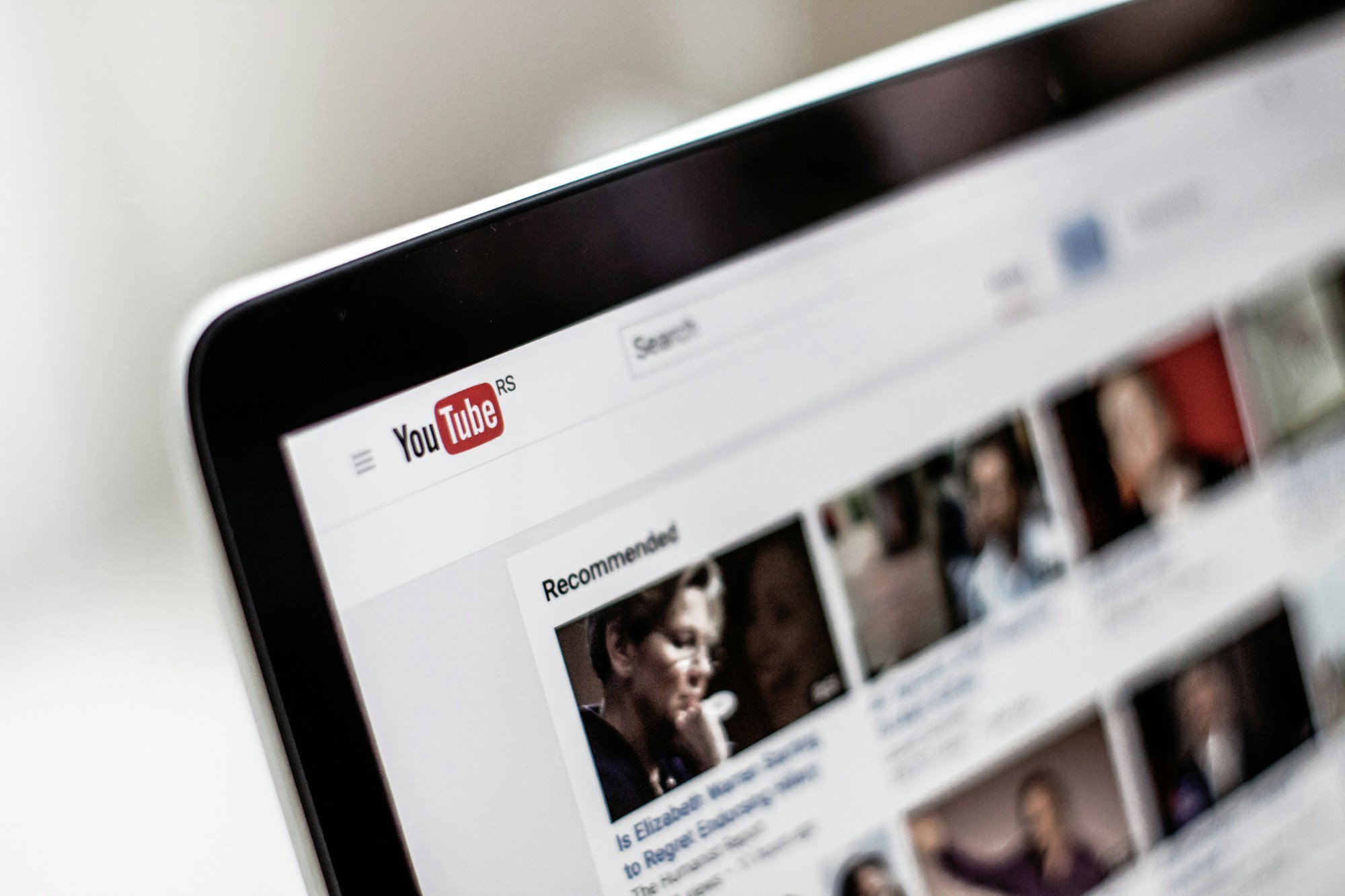
YouTube thumbnails are the first impression your video makes.
With millions of videos competing for attention, a compelling thumbnail can dramatically boost your click-through rate (CTR) and channel growth. This guide covers the exact specs you need, how to add or change thumbnails, and proven design strategies to help your videos stand out.
YouTube Thumbnail Size and Specifications
The ideal YouTube thumbnail size is 1280 x 720 pixels with a 16:9 aspect ratio. Here are the full specs to follow:
- Resolution: 1280 x 720 pixels (minimum width of 640 pixels)
- Aspect ratio: 16:9
- Maximum file size: 2MB
- Accepted formats: JPG, PNG, or GIF (GIFs will display as a still image using the first frame only)
- 4K support: YouTube will support high-resolution 4K thumbnails (3840 x 2160 pixels) starting in late 2025
Using a different aspect ratio, such as 4:3, can result in black bars or cropping that makes your thumbnail look unprofessional. Stick to 16:9 for the cleanest display across all devices.
While thumbnails appear small in search results and feeds, YouTube stretches them to fill the video player on click. Using the correct dimensions prevents pixelation and keeps your image sharp at any size.
How to Add or Change YouTube Thumbnails
Adding a Thumbnail When Uploading a Video
When uploading a new video through YouTube Studio, you can upload a custom thumbnail by selecting "Upload Thumbnail" in the video details section. YouTube also provides three auto-generated options pulled from your video, but these tend to be blurry, poorly timed, or irrelevant. Custom thumbnails consistently outperform auto-generated ones.
To unlock the custom thumbnail feature, your account must be verified. Verification is a quick process done through your phone number and is required before you can upload custom images.
Changing the Thumbnail on an Existing Video
You can update a thumbnail on any published video without deleting or reuploading it. This preserves your existing views, comments, and engagement data.
- Log into your YouTube account and open YouTube Studio.
- Navigate to the Content tab and select the video you want to edit.
- Click the pencil icon to open video details.
- Upload your new thumbnail image under the thumbnail section.
- Click Save.
The updated thumbnail will appear shortly after saving.
Adding a Thumbnail When Uploading a Video
When uploading a new video via YouTube Studio, you can:
- Upload a custom thumbnail by selecting “Upload Thumbnail” in the video details section.
- Choose from three auto-generated thumbnails YouTube provides if you prefer not to upload your own.
If you created your thumbnail using a template in a design tool, make sure to use the download button to save your created image before uploading it to YouTube.
Make sure your account is verified to unlock the custom thumbnail feature. Verification is a simple process done via phone number and is essential for branding your videos effectively.
YouTube Thumbnail Best Practices

Creating a thumbnail that earns clicks requires more than a nice image. Each design element should work together to communicate what the video is about and why someone should watch it.
Lead with a Clear Focal Point
Faces, emotions, and action shots draw the most clicks. Eye contact creates a sense of connection, even from a still image, and expressions that convey strong emotion tend to outperform neutral ones.
Interestingly, data on emotional expression in thumbnails shows that sadness generates the most views (2.3 million on average), followed by joy (1.5 million) and anger (818k). That does not mean you should fake an emotion for clicks. It does mean that authentic, expressive faces are worth featuring when they match your content.
Use Text Overlays Strategically
Limit thumbnail text to 3-5 words that tease the video's main point without giving everything away. Use bold, high-contrast text that remains readable at small sizes, since about 70% of YouTube views come from mobile devices.
Arrange text using the rule of thirds and leave enough negative space around it so the thumbnail does not feel cluttered. Make sure your text aligns with your video title so viewers get a consistent message.
Keep Branding Consistent
If you are using YouTube for business, consistent branding makes your videos instantly recognizable in a feed. This goes beyond adding a logo. Use the same fonts, color palette, and graphic style across all your thumbnails so returning viewers can spot your content at a glance.
Data supports this approach: 88% of colorful, branded preview images get more views, averaging 617k per video. A cohesive channel page with consistent thumbnails and an updated profile picture builds viewer trust over time.
Embrace White Space
It is tempting to pack every best practice into a single thumbnail, but cramming too many elements into a small space creates visual noise that turns viewers away. Keep the layout simple. A strong focal point, a few words of text, and a clean background will outperform a busy design every time.
Choose the Right Background
Select or edit your background to create contrast with your text and focal point. A cluttered or low-quality background competes with the elements that should be drawing the viewer's eye. High-resolution graphics and clean compositions improve both visual appeal and click-through rates.
Avoid Clickbait
Your thumbnail should accurately represent what viewers will find in the video. Misleading thumbnails may generate a short-term click, but they damage trust, increase bounce rates, and can hurt your standing with YouTube's recommendation algorithm. Accuracy builds a loyal audience over time.
Tools for Creating Professional YouTube Thumbnails

You do not need to be a graphic designer to create effective thumbnails. These tools simplify the process with templates, drag-and-drop editing, and built-in design assets:
- Canva: Offers thousands of customizable YouTube thumbnail templates with a beginner-friendly drag-and-drop interface. Supports logos, text overlays, filters, and brand kits. Free and paid tiers available.
- Adobe Express: A free tool with powerful editing features, stock images, and AI-powered image generation. Useful for both thumbnail design and broader marketing visuals.
- Photoshop: Provides complete control over design elements and effects for advanced users who want pixel-level precision.
- Figma: Strong for collaborative workflows and teams that need to maintain consistent branding across multiple designers or editors.
All of these tools let you save templates for future videos, helping you maintain a consistent look without starting from scratch each time.
How Thumbnails Impact YouTube Channel Growth

Thumbnails directly influence your video's click-through rate, which is one of the key metrics YouTube uses to decide whether to recommend your content in search results and suggested feeds. Higher CTRs lead to more views, longer watch time, and faster channel growth.
Resaerch from Tubefilter confirms that thumbnails featuring faces and clear text outperform generic images by 30-40% in CTR. Combined with keyword-optimized titles and descriptions, strong thumbnails create a compounding effect on discoverability.
By consistently applying these best practices, you can:
- Build a recognizable brand that viewers trust.
- Increase engagement by attracting the right audience.
- Grow your subscriber base faster than competitors using default thumbnails.
To further grow your business, include a clear call to action in your thumbnails, such as a 'follow' or 'subscribe' sign, to encourage viewers to engage with your content.
Interested in professional video? That is where Levitate Media comes in. We are video experts and have helped thousands of businesses create the perfect video to achieve their goals. We are always ready to brainstorm with you. Reach out today to learn how Levitate Media can help create impactful video content for your company. Let's talk video.
Insights from