A product ad is advertising focused on a single product or product line, designed to show how it solves a specific problem or delivers a clear benefit. Video ads are a high-converting format for product advertising, capturing the audience’s attention quickly and effectively. The best product video ads are crafted to capture attention within the first few seconds, ensuring viewers are engaged right from the start. Unlike brand advertising that builds long-term perception through abstract values, product advertising drives direct action, think “Download Now,” “Enroll Today,” “Register Now,” “Start Streaming,” “Book a Consultation,” or “Schedule a Visit.”
Looking for inspiration? Reviewing creative product advertisement video examples can motivate marketers to craft unique and effective product video ads that stand out in a crowded market.
Here’s what defines effective ads in these categories today:
- App ads: These highlight key app features and benefits, demonstrating ease of use and immediate value. They often show real user scenarios, quick tutorials, or highlight exclusive app-only offers to encourage downloads and engagement.
- Learning ads: Focused on educational products or courses, these ads emphasize skill-building, career advancement, or personal growth. They use testimonials, success stories, or sample lessons to connect emotionally and motivate enrollment, often leveraging a compelling story or narrative to drive emotional connection. Many learning ads depict real life situations to create authenticity and help viewers relate to the product.
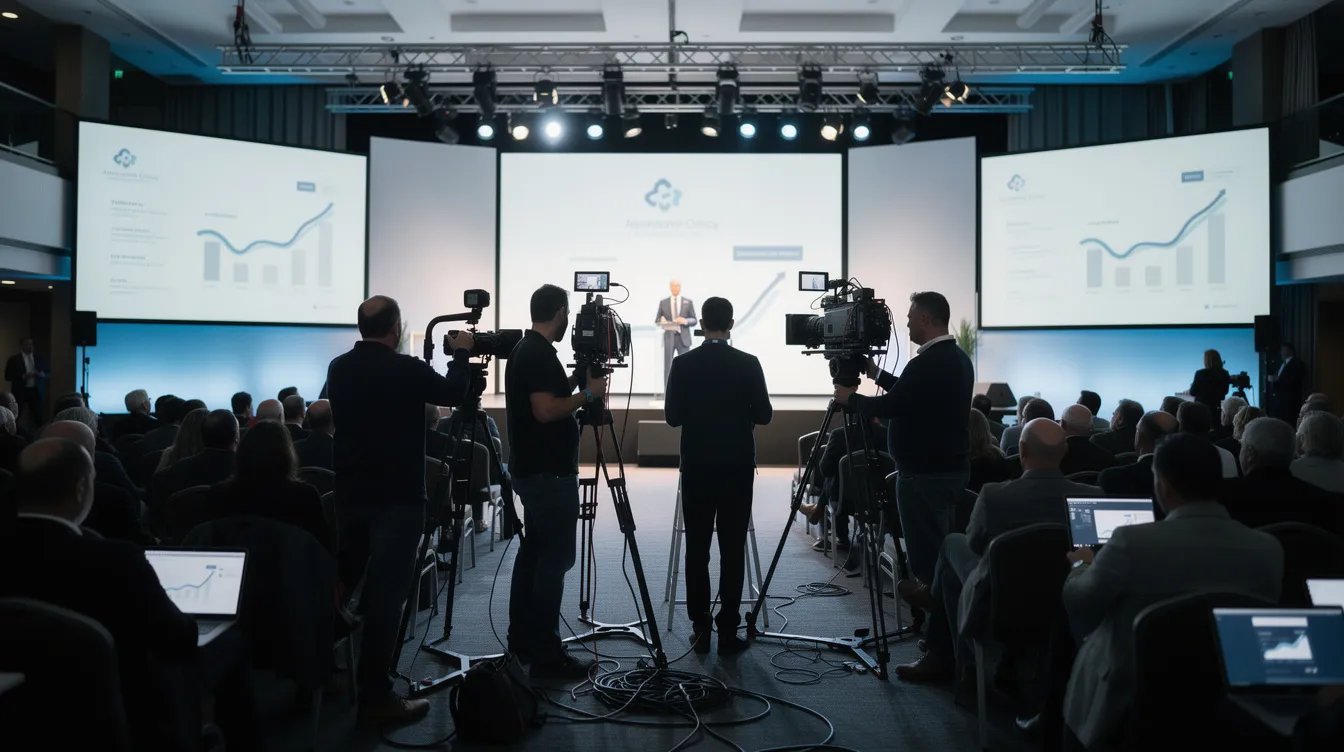
- Event ads: Designed to promote conferences, webinars, or live experiences, event ads create urgency and excitement. They showcase speakers, agenda highlights, and networking opportunities, often including early-bird pricing or limited seats to drive registrations. Interactive elements are frequently used to engage the audience and make the campaign more memorable.
- Streaming service ads: These ads spotlight exclusive content, new releases, or unique features like offline viewing or multiple profiles. They use trailers, sneak peeks, or celebrity endorsements to build anticipation and subscriptions, often incorporating pop culture references and star-studded casts to capture the audience’s attention. Effective sound design in these trailers and sneak peeks enhances the viewing experience, making it more immersive and memorable.
- Healthcare ads: Focused on medical services, wellness programs, or health products, these ads build trust through expert endorsements, clear explanations of benefits, and patient testimonials. Sensory experience and floating particles in visuals can evoke comfort and trust, especially when explaining complex products or services. High quality production is essential in healthcare ads to establish credibility and reassure viewers. These ads also often depict real life scenarios to foster authenticity and emotional connection.
- Real estate ads: These highlight properties, neighborhood benefits, or investment opportunities. They use virtual tours with visually striking imagery and smooth transitions, lifestyle visuals, and clear calls to action such as scheduling a visit or contacting an agent to generate leads, sometimes including interactive elements for deeper engagement. Quality visuals and production help build trust and credibility with potential buyers.
After reviewing these ad types, it’s clear that effective product advertisements and product advertisement video formats can leave a lasting impression on viewers. By combining creative storytelling, high quality visuals, and emotional resonance, these ads drive results and reinforce brand recognition.
Why Product Ads Still Matter (Even in an AI-Driven Ad World)
You might think that with AI-generated content flooding every feed, the ad landscape has fundamentally changed. And it has, but that makes well-crafted product ads more valuable, not less. Modern advertising leverages innovative approaches, creative storytelling, and emotional connection to help a company stand out in a crowded market. Advertisements play a crucial role in today’s marketing by helping brands break through the noise and connect with their target audience.
Here’s why product advertising remains essential:
- Cutting through saturation: In crowded categories like DTC skincare, fitness apps, and fintech, a sharp product ad is often the only way to justify your price or communicate differentiation. Generic brand vibes won’t close deals.
- Video drives real results: Video-first product campaigns in 2024–2025 consistently lifted conversion rates, with many SaaS and ecommerce brands reporting 20-50% uplift when swapping static creative for video explainers. A well-crafted video advertisement is especially effective at capturing the audience’s attention and significantly boosting brand recall, making your campaign more memorable and impactful.
- Full-funnel versatility: Product ads work at every stage, awareness (Super Bowl spots like Pringles “Flavor Stacking”), consideration (YouTube demos for products like Apple AirTag “Couch”), and conversion (retargeted vertical videos with direct CTAs).
- Launch and fundraising power: Med-tech and fintech startups in 2023–2025 used 90–120 second animated product commercials in investor decks to raise multi-million rounds. Your product ad can sell to VCs, not just consumers.
- Reusable asset creation: Strong product ads produce snippets for social media, sales decks, onboarding flows, email campaigns, and trade show loops. One great ad becomes a content ecosystem.
The bottom line? Even with AI reshaping advertising, humans still make purchasing decisions based on emotion and understanding. Building an emotional connection is key to product ad effectiveness and to establishing a strong brand identity that fosters loyalty and recognition. A successful campaign relies on a clear strategy and the vision of a creative director to guide the process, ensuring the company’s message resonates. Effective product ads are a vital part of your marketing strategy, aligning creative execution with broader business goals. In modern advertising, these elements are essential for creating lasting impressions and driving results.

How to Create a Product Ad That Actually Works in 2026

Before you dive in, remember that concept development is the foundation of any successful product ad. Taking time to conceptualize ideas that align with your brand values and audience needs will set the stage for a compelling campaign.
Ready to create your own? Here’s the practical playbook: Treat each ad creation as a project that requires careful planning and execution. Strategic thinking is key, whether you’re planning your next project or striving to create better video ads, learning from successful examples and current trends will help you achieve more impactful results. Be sure to discuss your objectives and ideas with your team or clients before starting production to ensure everyone is aligned.
Start with one sharp promise
Define a single sentence your viewer should remember: “Never lose your keys again,” “Edit video 3x faster,” “Sleep cooler in 10 minutes.” Build everything around this. Multiple messages mean no message. A clear message and a compelling narrative are essential for making your product ad memorable and effective.
Nail the first 2–3 seconds
Open with a bold visual or line: an exaggerated problem shot, a surprising statistic, or an unexpected genre like horror or courtroom drama. Your hook determines whether anyone sees the rest.
Show, don't list product features
Script concrete demos or metaphors. Someone effortlessly booking a trip on a new travel app. A pile of paperwork vanishing when a finance tool activates. A blind taste test that proves your claim. Action beats adjectives. For complex products, use a compelling narrative to simplify and communicate intricate features, making them easy to understand.
Write for silent autoplay
A large share of feeds on LinkedIn, Instagram, and Facebook default to mute. Use bold captions, on-screen text, and legible visual storytelling that works without sound.
Keep edits tight for social
- 6–20 seconds for TikTok/Reels hooks
- 15–30 seconds for performance ads
- 60–120 seconds for deeper explainer versions on YouTube or landing pages
Use smooth transitions and music to enhance the sensory appeal and maintain the audience’s sense of engagement throughout your online product ads. Incorporating dynamic editing can make your product video ads more visually engaging and polished, helping them stand out on fast-paced social platforms.

Design for multiple cutdowns
Plan a master script that can break into variations: one focused on humor, one on social proof, one on a specific feature or audience segment. One shoot, multiple campaigns. A creative approach and a solid strategy help you adapt your online product ads for different platforms and audiences.
Test creative variations
A/B test hooks, CTAs (“Shop now,” “Get the demo,” “Try for free”), aspect ratios (9:16 vs 1:1 vs 16:9), and thumbnail images. Let data guide iteration. Use a creative approach and strategy to refine your online product ads and maximize impact.
Measure what matters
Track not just views, but click-through rate, cost per acquisition, view-through conversions, and post-view lift in branded search. Vanity metrics don't pay bills.
Don’t wait for complete fatigue. Proactively test new hooks while your current ads still perform, this ensures you always have fresh winners in the pipeline.
Insights from