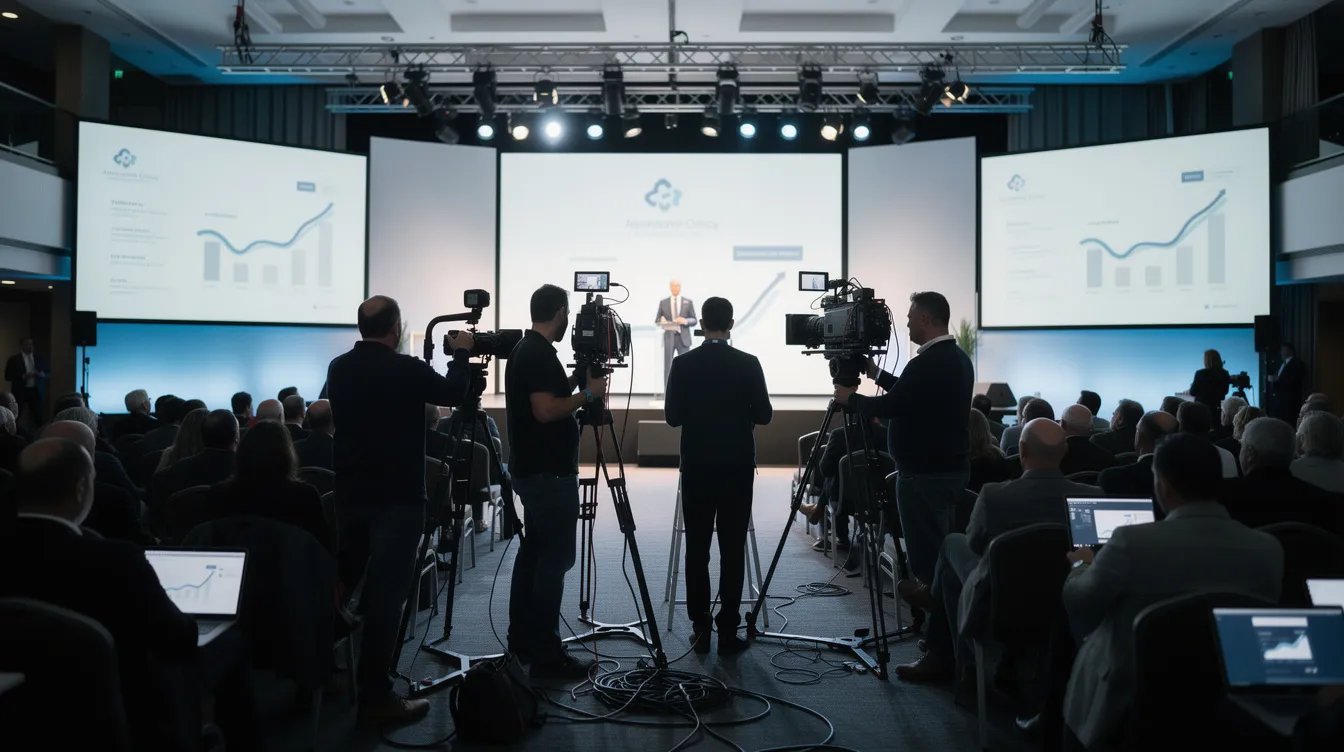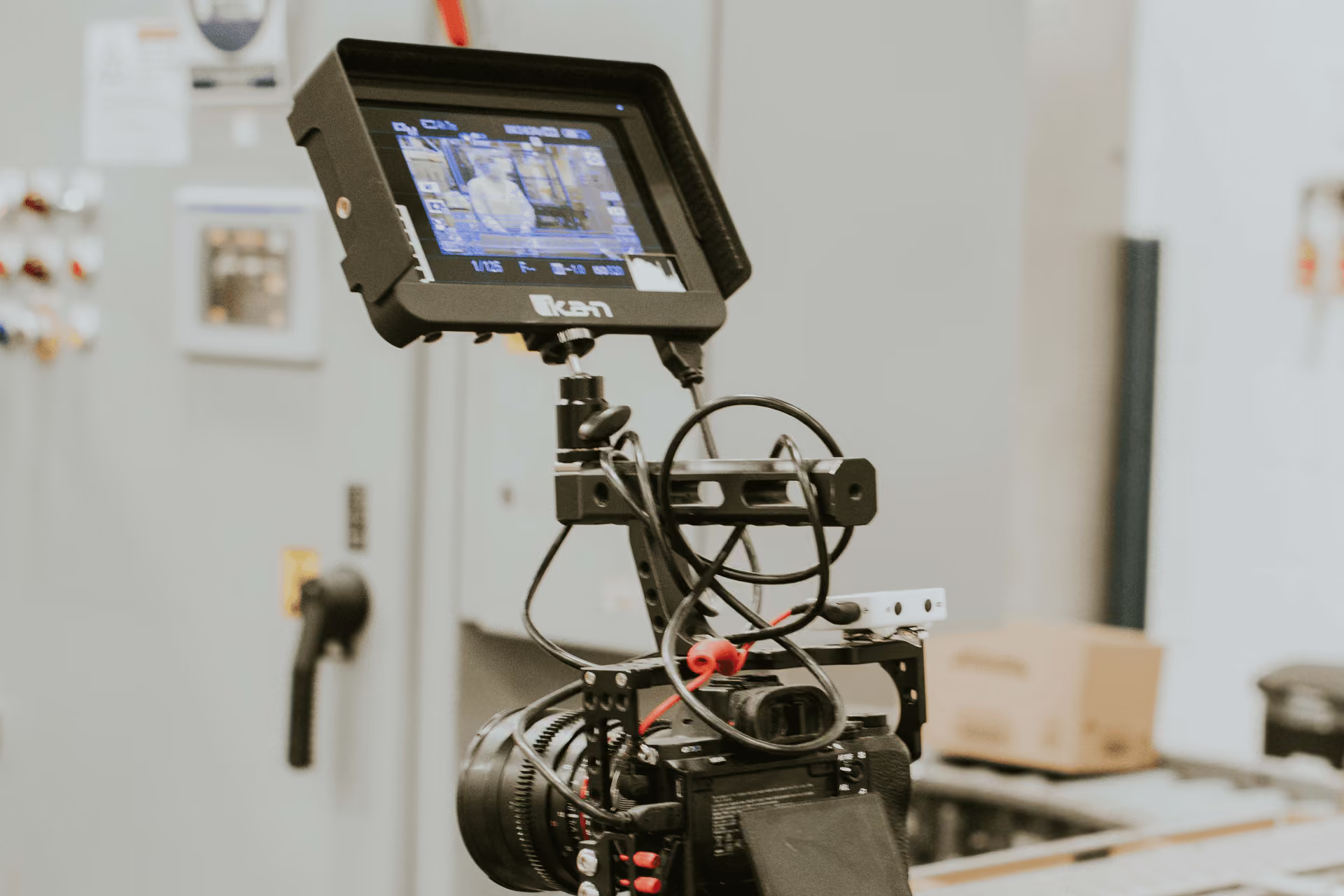
Manufacturing video production solves a problem that spec sheets and slide decks never quite manage. When you sell complex machinery, precision components, or a multi-step process, buyers want to see how it actually works before they trust you with a purchase order. Engineers, procurement teams, and plant managers are evaluating capability, and a PDF only gets them so far.
Video closes that gap. It takes what used to require a facility visit and several rounds of phone tag and compresses it into a few minutes of clear visual evidence. For companies working through long sales cycles and high-consideration purchases, that shift does real work, moving a prospect from first inquiry toward a signed contract faster than documents alone ever could.
This guide walks through the video types that matter in the industrial sector, what filming inside a working plant really involves, and how the finished content earns its place in your sales process.
What Is Industrial and Manufacturing Video Production?
Manufacturing video production is the planning and creation of video that documents, explains, or promotes industrial products, processes, and facilities. It covers process explainers, factory tours, product demos, and training content built for a technical buying audience rather than a general one.
What sets industrial video production apart from a standard corporate shoot is the environment. You are filming around live equipment, moving material, and safety-critical zones, which means the project has to satisfy operations, engineering, and EHS teams before a single frame is captured. Accuracy carries as much weight as polish here. A cinematic factory video that gets a process wrong loses credibility with the exact engineers you were trying to win over, so technical validation is built into the process from the start.
Why Industrial Companies Invest in Video
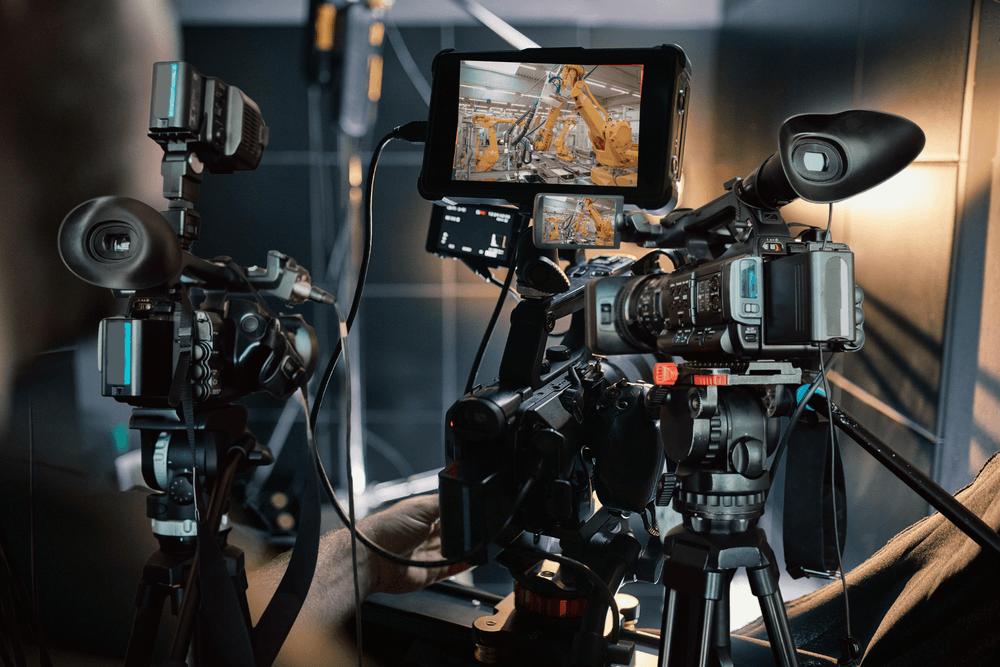
Technical buyers and procurement teams need to understand your capability and trust your reliability before they issue an RFP or cut a purchase order. Video marketing gives them a way to do that on their own schedule, without booking travel or pulling your team into another demo call.
The payoff shows up in places you can measure. Shorter sales cycles, because prospects reach the conversation already informed. More qualified RFQ inquiries, because your website does the first round of screening.
And credibility with remote or overseas customers who may never walk your floor but still need confidence in what happens there. Wyzowl's 2026 report found that 85% of people say a video has convinced them to buy, and that instinct holds just as true for a procurement lead comparing suppliers as it does for a consumer. Strong video content also lifts brand perception across the board, which matters in a market where buyers quietly rank suppliers long before they ever reach out.
This is where a clear-eyed marketing team pulls ahead. Instead of producing one-off clips on request, they build a small library of video assets that each support a specific part of the buyer journey and help serve current and future clients, and they plan for that library to drive sales rather than just fill a webpage.
Types of Manufacturing Videos
Manufacturers reach for different formats depending on whether they are speaking to prospects, existing customers, or their own workforce. The core menu looks like this:
- Process explainers that make complex processes easy to follow, turning a wall of technical steps into something a non-engineer can grasp
- Capabilities and facility overviews, the cinematic factory tour that shows buyers your operation at scale
- Product demos that walk through a new piece of equipment in a sales meeting without needing the hardware in the room
- Customer case studies filmed on a real customer's floor, offering third-party proof of outcomes
- Safety and training content that standardizes SOPs and compliance across every shift and site
- Recruitment and culture videos that show off your workforce and help attract skilled trades and engineering talent
The strongest industrial manufacturing company videos, in any format, are built around one clear story, with engaging stories driving the message.
Filming Inside a Manufacturing Facility: Safety and Access
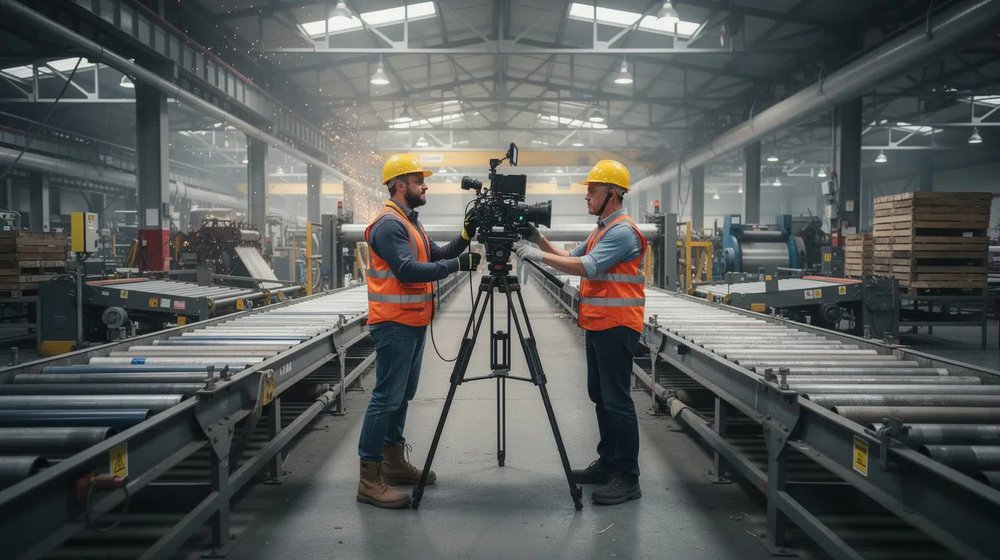
A working plant fights you in ways a studio never does. Overhead fluorescents and reflective metal surfaces fight your lighting. Machinery noise fights your audio. And because you rarely get a second attempt at a live line, your B-roll shot list has to be locked before the shoot, with specific equipment, materials, and quality-control moments identified in advance.
None of that is optional, and none of it is the part a general video crew tends to plan for. A production partner who knows industrial work builds the access and safety plan before the shoot, not during it.
Pre-Shoot Checklist for Plant Access
- Get the safety manual, facility map with restricted zones marked, and the site's safety protocols
- Confirm PPE for every crew member
- Schedule around shift changes, shutdown windows, and maintenance
- Build the shot list with input from engineering and QC
- Secure approvals for any proprietary areas, plus signed release forms
- Confirm drone or crane permissions if needed
- Identify power locations and electrical hazards ahead of time
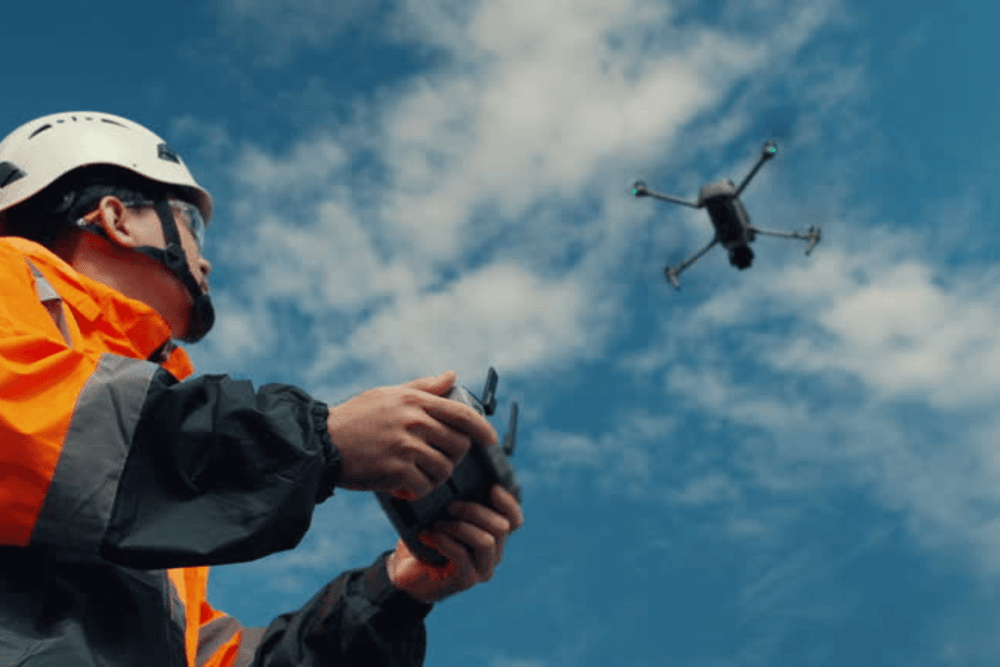
Drone Videography for Facility Scale and Layout
Having a capabilities video is one thing. Producing one that an engineer actually believes is another. The goal here is to demonstrate precision and quality control credibly enough that a skeptical technical audience trusts what they are seeing.
That means filming the details that prove it:
- Close-ups of tolerances checked with calipers, coordinate measuring machines, or laser metrology
- Inspection steps like non-destructive testing and material sample analysis
- Automation and robotics in motion, from CNC cutting to robotic welding
- Environmental controls, clean rooms, and the sensor systems behind them
Macro and slow-motion footage prove precision in a way a static photo never can, and thoughtful cinematic techniques in the edit make dense material genuinely watchable. This is also where solid process documentation video earns its keep. It gives engineers the depth they want while still reading clearly for the procurement lead who signs off but does not speak the technical language.
Manufacturing Customer Testimonial Videos
In a high-consideration purchase, third-party proof lowers the perceived risk more than any claim you make about yourself. When a real customer talks on video about reduced downtime, better yield, or lower scrap rates, that carries weight your sales deck cannot match and helps build trust with prospects who have never met you.
Film on the customer's own shop floor, in their real environment. Push for specifics and ask for before-and-after numbers. Feature both the decision-maker and a technical engineer so each side of the buying committee hears from a peer who does their job.
The best manufacturing testimonials come from the customer's own shop floor, not a studio. Ask for before-and-after numbers, and feature both the decision-maker and the technical engineer so each side of the buying committee hears from a peer.
Safety and Training Videos for Manufacturing Operations
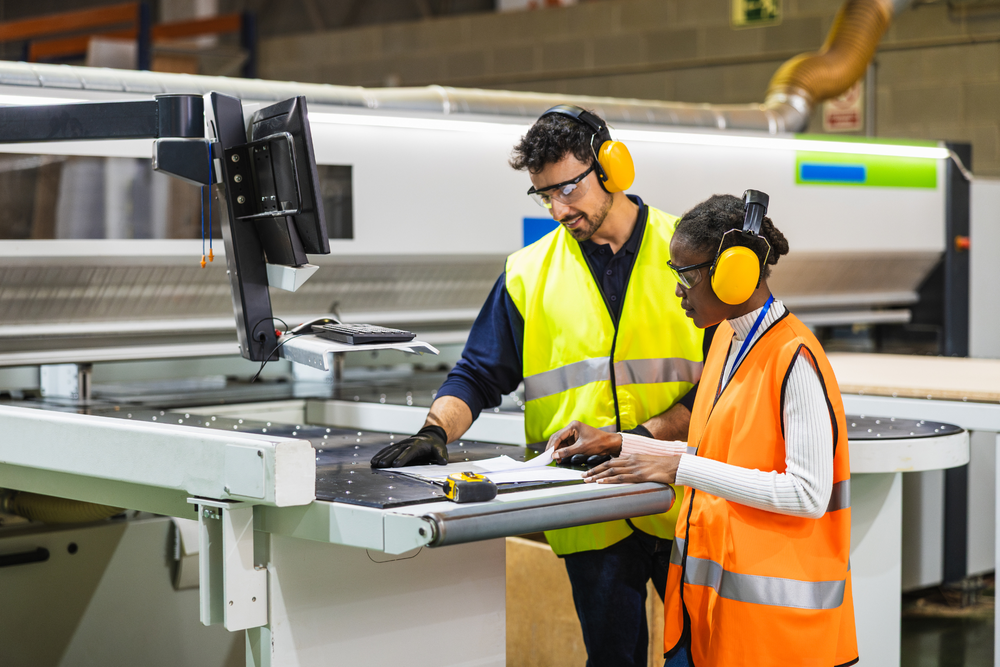
Video is one of the most reliable ways to make sure every shift and every location runs a procedure the same way. Training and safety content standardizes how work gets done, from a new technician's first day to a veteran operator learning updated equipment, and it gives your organization a single source of truth instead of a binder no one reads.
Build these modular. Break the content into discrete topics like lockout/tagout, hazard awareness, and PPE use, so when one procedure changes you update a single module instead of reshooting everything. This is also one area where AI is a genuine accelerator: it speeds up editing, captioning, and versioning so a training library stays current without a full production cycle each time a line changes. The judgment about what to teach and how to show it safely still belongs to people who know the plant.
How Manufacturing Video Helps Win Contracts
This is where manufacturing video production stops being a marketing asset and starts being a revenue tool:
- RFP and bid responses: a capabilities video gives your bid evidence of facility, process, and QC that a text-only competitor cannot match
- Trade shows: a looped video at the booth pre-qualifies conversations, so your team spends its time with informed buyers instead of cold traffic
- Website and landing pages: embedded video keeps prospects on the page longer and lifts RFQ conversions
- Distributor and partner enablement: a solid product explainer lets partner reps present your equipment correctly without an engineer on every call
The conversion math backs this up: Wistia found that nearly 20% of viewers who see a lead-gen form inside a video will fill it out, which is exactly the behavior you want on a page where an RFQ form is the goal.
A single production day, planned well, can feed all four. That is the practical version of getting more than one asset out of one shoot, and it is how a brand video or capabilities film pays back across the whole funnel.
Ready to Plan Your Manufacturing Video?
The manufacturers who get the most from video treat it as a business decision, mapping each format to a specific point in the sales process, knowing the budget before they start, and often planning an annual video budget, with manufacturing video programs commonly ranging from $25,000 to $75,000+ per year. That is where a specialized production partner brings the expertise and the many roles needed across each stage of production, especially when the work requires an understanding of industrial environments.
Levitate Media is an expert manufacturing video production company with 17 years of experience and more than 15,000 videos produced, focused on work that helps manufacturers win contracts.
If you are trying to get a rough sense of what a project like this runs before you take it upstairs, start with our video pricing page. And when you want to talk through what your facility actually needs, reach out for a free quote or a strategy call. We are happy to walk through it.
Insights from