The question of how to add music to a YouTube video sounds straightforward. And with all the technology available today, you would think it would be simple enough. But the process isn’t as uncomplicated as you would hope.
When starting a video editing project, a little thought and planning go a long way. Understanding the features of different editing tools can make the work of adding music to your project much easier.
So we’re here to help you with that – to guide you through and make it as quick and painless as it should be
How Can you Legally Add Music to a YouTube Video?

Just like epic blockbusters, every great video needs complementary audio to make it come alive. Of course, sound effects are perfect for adding emphasis and transitions in video. They get the job done.
But think about it, you’ll have a hard time finding a YouTube video that doesn’t incorporate audio into the experience.
The task of choosing and adding music to a video can be quite daunting. Why? Because there are a lot of different factors to take into consideration, including:
- YouTube policies
- The author’s rights
- Music licensing
YouTube makes it easier by offering a library of licensed songs in the YouTube Audio Library, where you can add music to your video without worrying about copyright issues. For a more personal touch, you can also upload your own song or instrumental, allowing you to create a personalized soundtrack that matches your unique style or memories. Selecting the right song and customizing it to fit your video can enhance its emotional impact and make your content stand out.
This combination of factors makes it difficult to know what royalty-free music you can use, where to get it, and how to include it in your videos.
YouTube's Copyright Policy and Fair Use Policy
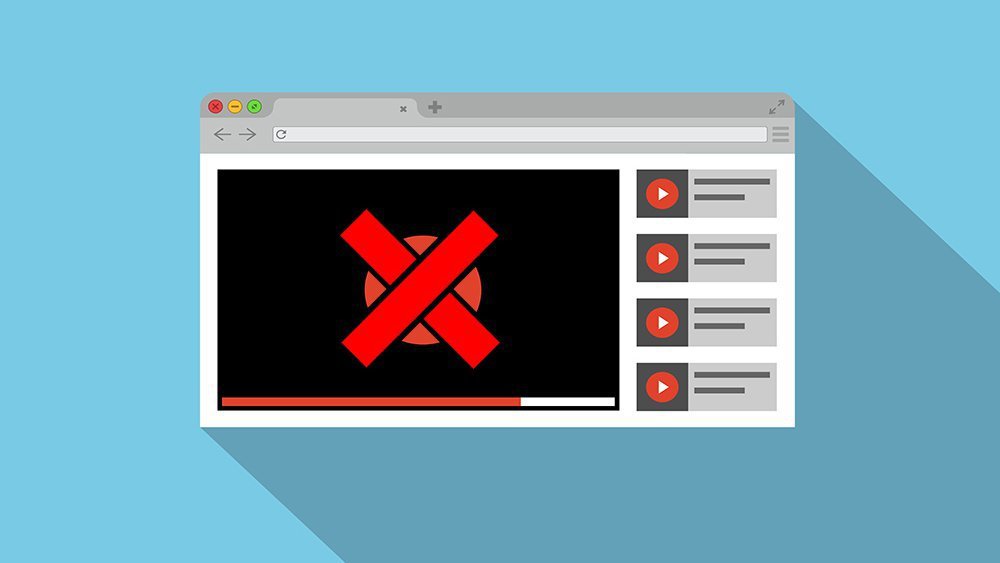
You’ve probably noticed YouTube is pretty strict about its policies, especially if you run a YouTube channel. Content creators often face issues dealing with “demonetization” and music copyrights.
That’s why we want to shed some light on their policy info before we get to the good stuff. We’ll do our best not to bore you, we just want you to be safe and protected from copyrights.
YouTube’s strict rules haven’t stopped people from finding their own ways to get around it. You’ll notice a lot of people mention in the description that they don’t own anything and all the rights belong to the band/musician/artist.
But even though you’ve added that disclaimer, YouTube still doesn’t allow you to use music that is copyrighted in your own content.
In fact, YouTube’s guidelines offer little concrete guidance. It’s not our intent to undermine the importance of these rules and policies. They serve to protect viewers and the rights of the musicians whose music YouTubers use.
You can use songs from YouTube's Audio Library in monetized videos, and the YouTube Studio video editor lets you add music to your video from a library of licensed songs, as long as you accept the terms of use.
We’re bringing this to your attention because, despite YouTube’s quick response to broken policies, the platform doesn’t offer any clear guidelines on what constitutes “copyright infringement”, nor does it offer a wide range of alternatives. So it’s something we want you to be mindful of going forward.
Is it Safe to Add Music to a YouTube Video?

In one of our recent blogs, we talked about the hundreds of thousands of royalty-free songs that can be used in your videos (and even mentioned some of the best royalty-free music sites to save you time!).
But if you still plan on using your audio from a source other than a vetted royalty-free library, here are a few steps you can take to make sure you’re not infringing on YouTube’s policies:
- Upload your video private or hidden
- If there are any copyright issues, YouTube will flag the video
- Any issues can be resolved before you publish the video
Tip: When adding music, you can adjust the volume of the music independently from the video audio. This helps you achieve the best sound balance and ensures your background music doesn't overpower your original audio.
It goes without saying royalty-free music is the safest choice. And most people want a quick way to add music to a YouTube video, right? So to avoid violating terms or copyrights, you may want to search YouTube’s free music library instead.
After editing, you can download your video as a high-resolution MP4 file, making saving and sharing your finished project easy.
Add Music To a YouTube Video Using their Free Library

YouTube offers a free audio library that makes it easy to add background music to your videos. In the YouTube Editor, you can add background music by selecting from various audio tracks available in the library. You can also mute the original audio track if you want only the new music to play. This allows you to enhance your video’s mood or storytelling with the right soundtrack.
The audio library has improved over time, offering a wider selection of music and sound effects. You can trim the length of your audio to match your video clips and sync the music with your visuals for a seamless result. Additionally, you can adjust the volume of the music and video audio tracks independently to achieve the best sound balance.
Note: Users may need to convert their video or audio files to compatible formats, such as MP4 for video or WAV for audio, for the editor to accept them. Video editing software often requires specific codecs to import and export various audio and video formats, so make sure your file format is supported before uploading.
The first step is to sign in
The first step to learning how to add music to a YouTube video is to sign in to your YouTube account. You can start editing and adding music with a free account, but keep in mind that some features, such as access to certain popular or premium music tracks, may require a paid upgrade. Signing in allows you to access your projects across different devices, including your computer, mobile phone, or tablet. While you can use any device to access your projects, certain editing features—like adding or changing audio tracks—are best accessed on a computer for full functionality.
Those of you familiar with YouTube can go ahead and sign in to your account; if you’re a YouTube newbie, there is a link in the upper right-hand corner.
Because YouTube and Google are integrated, you might already be logged in to your Google account. If not, go ahead and log in.
When you’ve successfully signed in, you should see your profile picture in the upper right corner of the page (you might see a circle with the first letter of your account name if you haven’t yet uploaded a photo).
Video Selection
In addition to removing the Content Manager from the left-hand menu, YouTube has also ditched the Studio option from the menu. But clicking on your profile picture (or initial) will open the YouTube Studio.

You’ll then be able to choose your account in the drop-down menu. The next step is to choose the video you want to add music to.
You can do this either by clicking “go to videos” under the Published Videos section of your dashboard or by using the Content link in the menu on the left. Afterward, you’ll see all the videos on your channel. You can upload your video file or drag and drop video clips into the editor, making sure to use compatible file formats like MP4 for video and supported audio formats. You can also upload your own music files to add to your videos using online tools like Clideo.

Here’s where it gets a little confusing. You might be tempted to select a video by clicking on the checkbox. Surely all the different options, including audio editing, would be found in the Edit menu, no? But this isn’t the case. If you do that, you’ll see a new menu will appear on top of it. And if you click on the option labeled Edit, you’ll notice there is no option to add music.
I know, you’re probably throwing your hands up in the air, thinking there is NO WAY to add music to a YouTube video! Before resorting to a video editing app… Relax. Breathe deeply.

To find it, you’ll need to click the Details icon and choose the video you’d like to add music to. The details icon is the first icon that resembles an angled pen.

This will navigate you to the Editor in the menu on the left. Here you’ll find the audio option next to your project’s timeline (the little music note with a plus sign!).
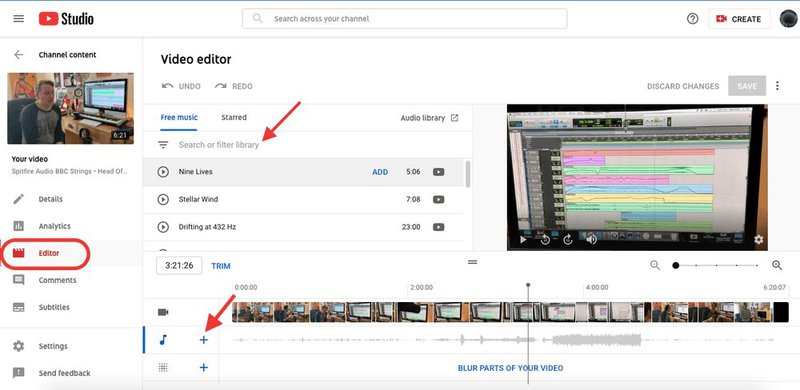
The rest of the process is easier (or at least a little less confusing).
Track Selection
Choose the track you want from the audio menu after clicking the note icon on the timeline.
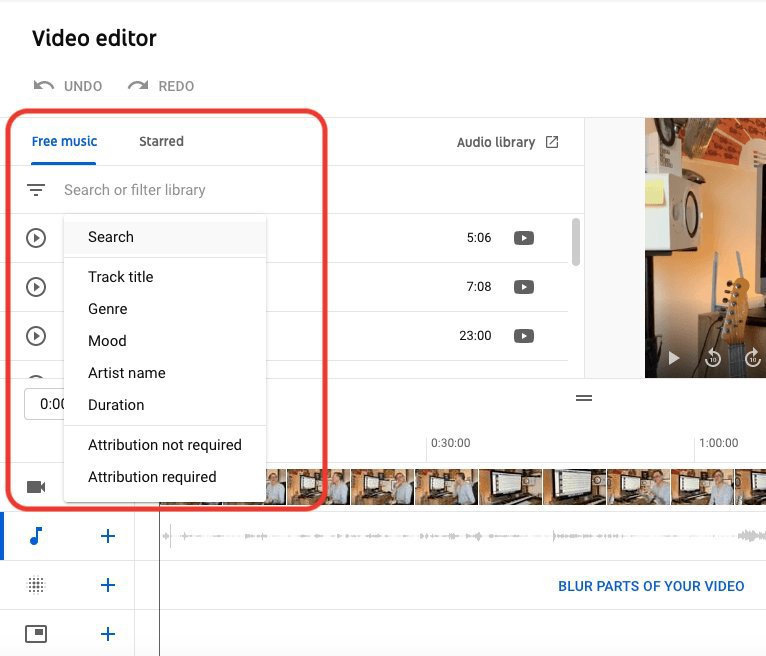
The number of tracks has grown slightly and YouTube has made a few improvements as well. At one time, the audio library had no categorization or search option. This meant you would have had to experiment with several different tracks to find one you liked or you would have to play through a few and convince yourself one is “good enough.”
But now you can search or filter by:
- Track Title
- Genre
- Mood
- Artist Name
- Duration
- Attribution Required
- Attribution Not Required
Take a moment to explore the audio library for a wide range of soundtrack options, including stock music in various genres. Platforms like Canva offer a diverse catalog of chart-topping hits and iconic classics for use in your videos. When using tools like Clideo, you can preview your video with the new audio before finalizing your project.
And believe it or not, there was once a time when it was impossible to edit the music to include only part of the track or to adjust its start time. But that has also changed, and you can now edit which parts you want to use.
Needless to say, the video editing on YouTube has gone through a lot of upgrades.
To summarize…
- Avoid using copyrighted music: unless you get permission from the original creator. But, if you do test the video in private mode first.
- Royalty-free music is a cost-effective risk-averse music option for YouTube videos especially if you’re editing the video yourself.
- If you want to add 100% approved music to videos after you upload them to YouTube, YouTube’s free music library is the way to go.
If you’d like to speak about any questions you have on getting the most out of Youtube or learning more about our video production services please contact us and we’d be happy to speak with you!
Follow our channel for more tutorials and tips on video editing, and stay updated with the latest advice to enhance your content. Watch our step-by-step tutorials and join our community for more helpful resources!
Insights from