
Practical Video Marketing Guide for B2B Marketers
B2B lead generation comes down to clarity and trust.
Buyers now spend more time researching before they speak with a sales team. They compare options, involve multiple decision makers, and expect to understand value early in the process. Long written content can slow that down. This is where using video for B2B lead generation becomes especially effective.
When used intentionally, video allows B2B marketers to explain value clearly, show how a solution works in practice, and support prospects as they move through the sales funnel. The role of video is not to add noise, but to help the right prospects reach understanding faster.
This guide is built for B2B teams that want to use video as part of a practical lead generation strategy. Not to chase views or trends, but to generate leads that are more informed, better qualified, and more likely to convert.
What Is Video Lead Generation?

Video lead generation is the use of video content to attract, educate, and convert potential customers by guiding them toward a specific action, such as requesting a demo, filling out a form, or engaging with a sales team.
In B2B marketing, video lead generation focuses less on views and more on intent. The goal is to help prospects understand value faster, build trust earlier, and move through the buying process with greater confidence.
This approach treats video as part of the lead generation strategy, not just content.
Why This Topic Matters in 2026
B2B buying behavior has changed.
Prospects now spend more time researching before they ever speak with a sales team. They compare vendors, watch demos, and look for proof that a solution fits their needs before committing to a conversation.
According to research from Google, 70% of B2B buyers watch videos throughout their path to purchase, showing how video content plays a critical role in how buyers evaluate solutions.
Video works because it removes friction from complex decisions. It helps buyers understand offerings faster, creates confidence earlier, and supports movement through the sales funnel. Short form videos, explainer videos, and product demos give prospects clarity without pushing them into a conversation before they are ready.
Search behavior has shifted alongside buying behavior. Search engines and AI-driven platforms favor content that is clear, structured, and easy to consume. Video that is planned with SEO in mind performs more effectively across landing pages, email campaigns, and video platforms.
For B2B marketers, using video for lead generation is no longer optional. It is a core part of a modern video marketing strategy that supports longer sales cycles, improves conversion rates, and aligns with how buyers actually evaluate solutions.
As B2B teams evaluate video partners, understanding the broader landscape can help. Levitate recently broke down top B2B video production companies and what differentiates them.
Understanding Using Video For B2B Lead Generation

Using video for B2B lead generation is not about posting more content. It is about placing the right video at the right point in the buyer journey.
B2B buyers want clarity before commitment. Video content helps explain complex products, show how a solution works, and answer common questions faster than written content alone. This makes video especially effective in longer sales cycles.
A strong video lead generation approach focuses on intent. Each video should serve a clear role within the sales funnel:
- Early stage: Build brand awareness and establish thought leadership
- Mid funnel: Educate prospects and nurture interest
- Late stage: Support conversion by addressing objections and reinforcing value
When video is aligned with a clear video marketing strategy, it becomes part of the sales funnel. It supports landing pages, email campaigns, and sales outreach instead of existing in isolation.
For B2B marketers, the goal is not to create more videos, but to use video content intentionally to generate leads and support the sales process.
In practice, most teams do not struggle because video is ineffective, but because it is created without a clear role to play.
Types of Videos That Generate B2B Leads
Not all video content serves the same purpose.
Effective B2B lead generation relies on using different video types at different stages of the buyer journey.
The video formats most commonly used to generate leads include:
- B2B Explainer videos work well early in the funnel because they simplify complex products or services. Explainer videos help prospects quickly understand what you do and whether it is relevant to their problem.
- Product demo videos support mid to late stage evaluation. They show how a solution works in practice, answer functional questions, and help buyers assess fit before engaging with a sales team.
- Customer testimonial videos reduce perceived risk. Hearing real customers describe their experience builds trust and helps prospects feel more confident moving forward.
- Thought leadership videos establish credibility and authority. They position your brand as a knowledgeable voice in the space and attract prospects who are still shaping their approach.
- Short form videos support early awareness and interest. They introduce ideas quickly, encourage further exploration, and guide viewers toward deeper content.
When these video types are used intentionally and mapped to buyer intent, lead generation becomes more predictable and easier to measure.
Step-by-Step Approach

Without a clear process, video becomes noise. Random video creation leads to inconsistent results and wasted effort.
The steps below outline how B2B marketers can plan, create, and use video content in a way that supports lead generation with structure, intent, and measurable impact.
Define Clear Objectives for Using Video in B2B Lead Generation
Every effective video starts with a clear objective.
Before creating a video, it helps to define what role it plays in the lead generation strategy. Some videos are meant to generate leads directly. Others are designed to support conversion, nurture prospects, or help the sales team move opportunities forward.
When objectives are unclear, video content often looks polished but fails to deliver results. With clear goals in place, video can support specific actions such as demo requests, landing page conversions, or more productive sales outreach.
For B2B marketers, this step keeps video marketing connected to business outcomes and clarifies where each video belongs in the sales funnel.
If a sales team cannot explain how a video helps move a deal forward, that video is not serving its purpose.
Understand Your Target Audience and Buyer Stage

Not every video is meant for every prospect.
B2B buyers have different needs depending on their role, level of awareness, and stage in the buying process. A short explainer video may be effective early in the funnel, while a detailed product demo or customer story is often more useful later.
Understanding the target audience shapes how a video should sound, how long it should be, and where it should be used. Busy decision makers tend to value clarity and focus, while technical audiences may require deeper educational content.
When video is tailored to the right audience and buyer stage, it becomes easier to build trust, support lead generation, and move prospects closer to conversion.
Plan the Production Process From Concept to Final Cut
Strong video lead generation begins with planning, not filming.
Before production starts, it is important to align on messaging, audience, and how the video will be used across marketing campaigns. This ensures the final output supports lead generation goals rather than existing as a standalone asset.
During production, clarity should take priority over complexity. The goal is not to impress with visuals, but to communicate value in a way that is easy to understand. High quality video comes from strong direction and messaging, not unnecessary polish.
Post production is where video becomes a functional lead generation tool. Editing, formatting, and preparing videos for landing pages, email campaigns, and sales outreach helps integrate each video into the broader marketing funnel.
When the production process is intentional, video content becomes easier to scale, repurpose, and measure.
Use Case Studies and Real Examples to Build Trust and Direction

B2B buyers tend to trust proof more than promises.
Case studies, customer testimonials, and real customer stories show how video performs in real sales environments. These examples help prospects see how a solution applies to their situation, which is especially important during the evaluation stage. For example, real-world client work from Levitate Media shows how strategic video supports lead generation, sales conversations, and buyer confidence across different industries.
Real examples also provide direction on what works. They highlight which video types resonate, which messages build trust, and how video can support lead generation across different industries.
For many B2B brands, testimonial videos and customer stories generate higher quality leads because they reduce perceived risk and support confident decision making.
Learn more about using video testimonials for B2B demand generation
Apply Video SEO Best Practices for Discoverability

Video only contributes to lead generation when the right audience can find it.
Video SEO helps content surface across search engines, video platforms, and AI-driven discovery tools. Clear titles, accurate descriptions, transcripts, and thoughtful placement on landing pages all improve visibility and engagement.
For B2B marketers, this means looking beyond views. Video should guide prospects toward the next step, whether that is a demo request, a form submission, or deeper educational content.
When handled correctly, video continues to support lead generation long after it is published.
Where Video Should Be Used to Generate Leads
Video performs best when it appears at moments where prospects are actively evaluating solutions, not just browsing.
In B2B lead generation, video is most effective when used on:
- Landing pages to improve clarity and increase conversion rates
- Email campaigns to boost engagement and response
- Sales outreach to support more informed conversations
- Product or solution pages to explain value efficiently
- Gated content where video supports lead capture and qualification
Placement matters as much as production. Video should support decision making, not exist as background content.
Track KPIs to Measure Performance and Conversion
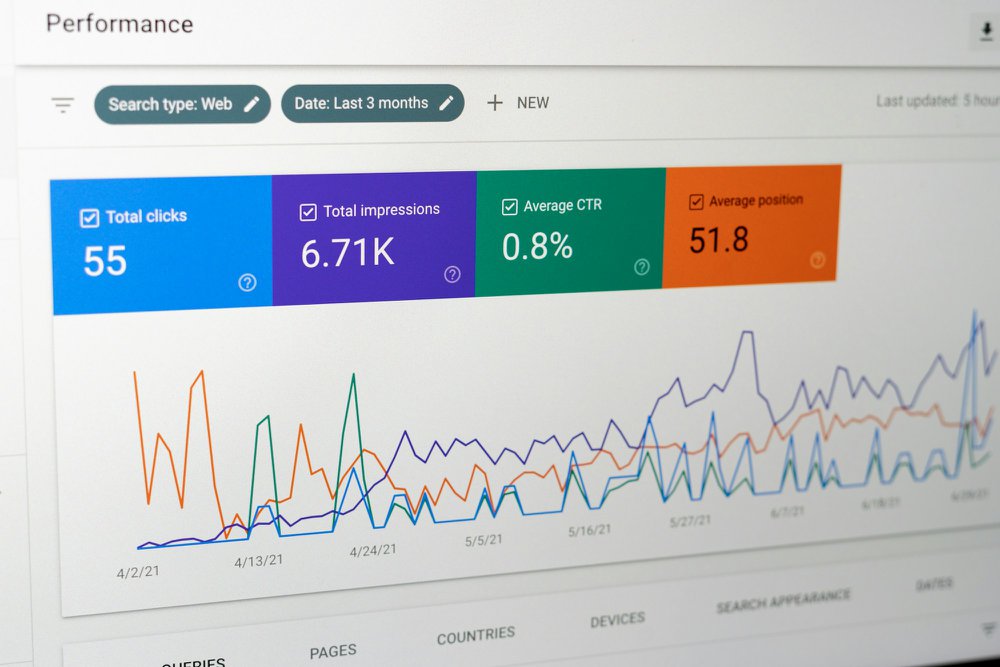
Video lead generation should be measured with the same discipline as any other marketing effort.
Metrics such as engagement rate and watch time show how prospects interact with video content. Conversion metrics help determine whether video is influencing movement through the funnel.
These insights make it easier to identify which videos support lead generation and which ones fall short. They also help refine video strategy over time and improve performance across marketing campaigns.
When sales teams can see how video influences real conversations, adoption increases naturally.
Repurpose One Video Into Multiple Lead Generation Assets
One video should rarely serve a single purpose.
Repurposing allows video content to support lead generation across multiple channels without increasing production effort. A single video can be broken into short clips, embed videos on landing pages, blog posts, included in email campaigns, or shared directly by the sales team during outreach.
This approach extends the lifespan of each video and increases exposure across the marketing funnel. It also helps ensure video remains relevant at different buyer touchpoints, from early awareness through late-stage conversion.
For B2B marketers, repurposing improves efficiency and supports more consistent lead generation over time.
Common Mistakes to Avoid
- Creating video without a lead generation strategy
Video content should support specific business goals. Without a clear strategy, video often looks polished but fails to generate leads or influence the sales process. - Chasing views instead of lead quality
High view counts can be misleading. Strong lead generation focuses on attracting the right prospects, not the largest audience. - Ignoring where video fits in the funnel
Not every video has the same job. Some support awareness, others nurture interest, and some help close deals. When this is unclear, results suffer. - Poor distribution and visibility
Even well-produced video underperforms if it is not easy to find. Video must be optimized for search engines and placed where prospects are actively evaluating options, such as landing pages and email campaigns. - Treating video as a one-time effort
Video works best as part of an ongoing lead generation strategy. One-off videos rarely deliver sustained results. - Lack of sales team alignment
Video becomes far more effective when sales teams understand how to use it during outreach and follow-up. Without that alignment, valuable assets often go unused.
Measuring Success

Measuring video performance goes beyond counting views.
The more important question is how video supports lead generation and movement through the sales funnel. Metrics such as engagement rate and watch time help indicate whether prospects are actually consuming and understanding the content.
Research from Wistia shows that videos under two minutes long tend to see the highest engagement rates, which makes them especially effective for early and mid-funnel lead generation content where clarity and momentum matter most.
Conversion metrics carry even more weight. Demo requests, form submissions, and actions taken after watching a video reveal whether video is contributing to real progress, not just attention. When video is connected to landing pages, email campaigns, and sales outreach, its influence becomes easier to track.
When performance is tracked consistently, video becomes a dependable part of a broader marketing strategy rather than an isolated tactic.
Conclusion
Video is no longer just a content format. It is a practical tool for B2B lead generation when it is planned, measured, and used with intent.
The most effective video strategies focus on clarity, relevance, and alignment with the sales funnel. When video content supports how buyers research, evaluate, and make decisions, it helps generate leads that are better informed and more likely to convert.
From a sales and marketing standpoint, the real opportunity is not creating more video. It is using video strategically across marketing campaigns, landing pages, and sales outreach so each asset has a clear role in the buying process.
By following these best practices, using video for B2B lead generation can drive measurable results, strengthen brand authority, and deliver long-term marketing impact.
If you’re considering video and want an experienced perspective before investing, the Levitate Media team is a good place to start.
Insights from